Back to Home
At HMH, a prestigious education publishing company with a remarkable 180-year legacy, I played a crucial role in a global digital transformation. This shift involved moving from traditional textbooks to a modern blended learning approach, integrating AI-assisted online platforms and in-class activities for all K-12 subjects.
DESIGN TEAM OPERATIONS, PROCESS & REORG, CREATIVE & UX DIRECTION
ROLE OVERVIEW
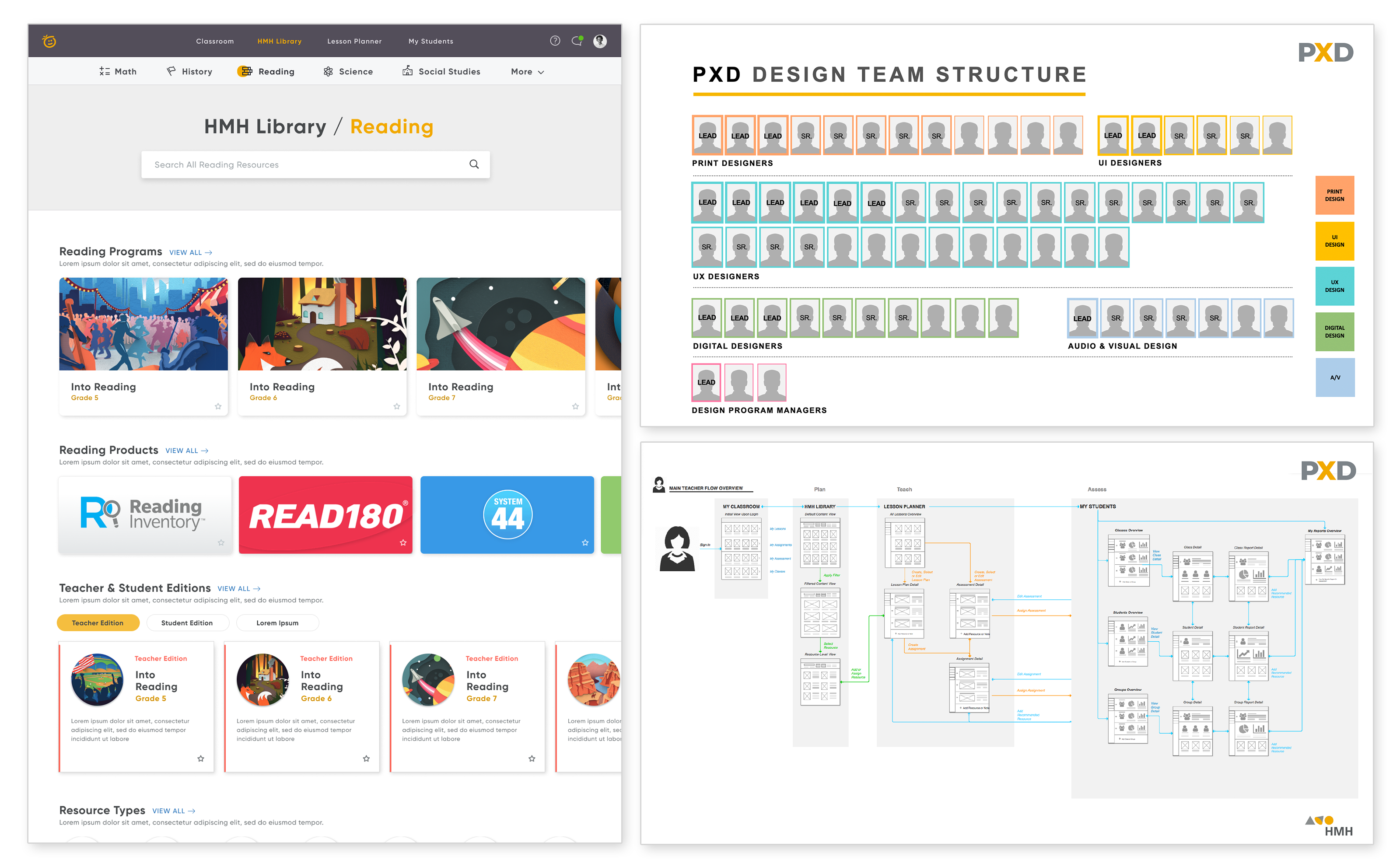
As a key player in digital transformation, I led a diverse team of over 80 design professionals, including experts in UX, product design, art direction, illustration, animation, 3D modeling, and print design. My responsibilities included comprehensive team reorganization, management, and leadership. This role demanded a unique combination of strategic operational planning, overseeing the annual team budget of ~$2MM and resource allocation, and hands-on mentorship in creative and UX design.
During my tenure at HMH, we achieved significant milestones, including a comprehensive rebrand, a strategic organizational redesign, and the realignment of all 80+ designers to better align with the new corporate strategy. Notably, I spearheaded the establishment of HMH's first dedicated User Research department, systematically incorporating research insights across the organization to influence portfolio-level decisions. Under my creative direction, our team received multiple national awards for textbook covers and video content.
LAUNCHING A USER RESEARCH PRACTICE
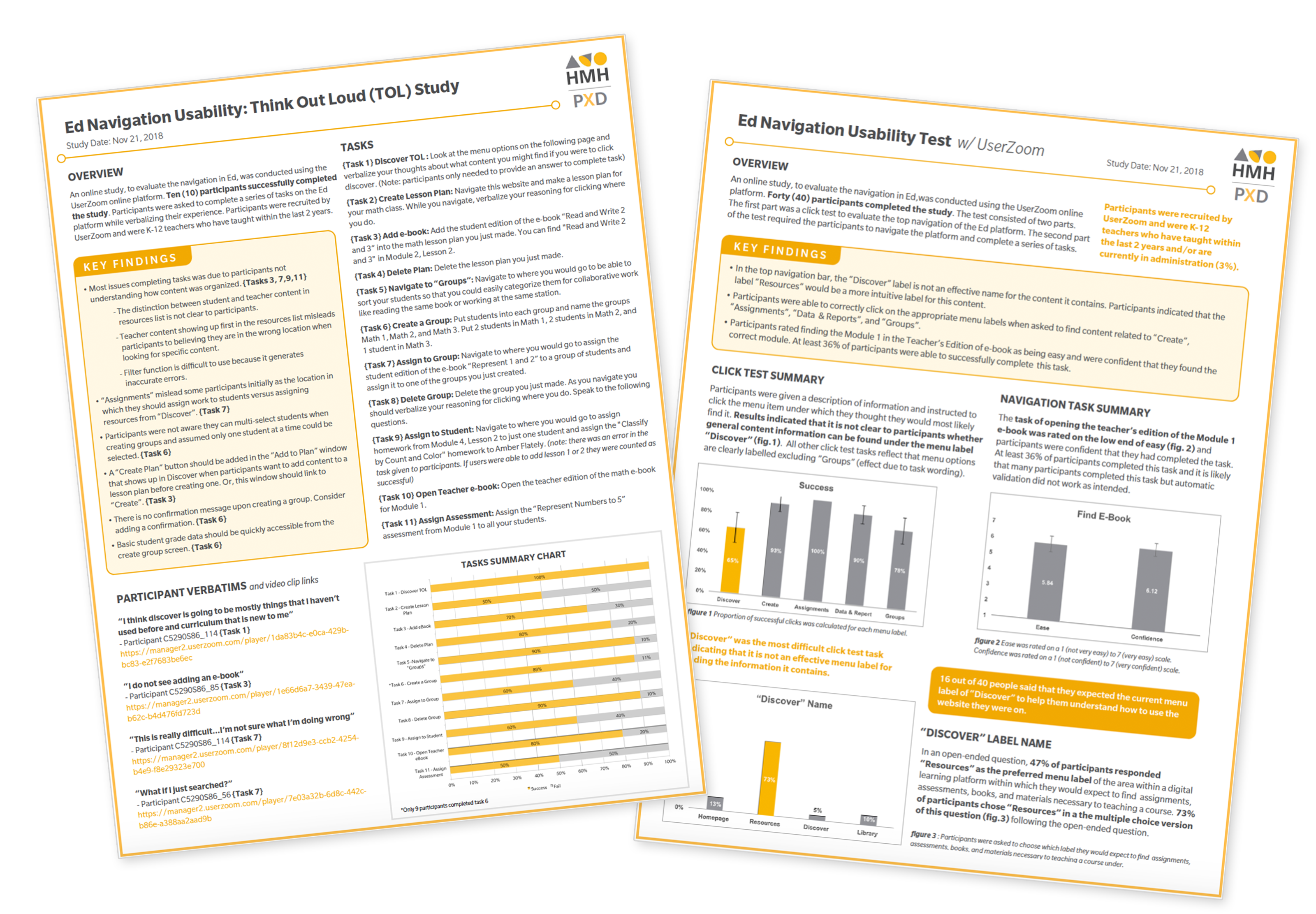
Beyond traditional usability testing, it became clear that conventional user research methodologies were insufficient. To truly grasp the context for both students and teachers, we ventured into classrooms. Our approach encompassed classroom observation, cortisol tests using saliva swabs, co-design activities, and continuous feedback on prototypes. This comprehensive strategy allowed us to gain deeper insights into the real-world dynamics of the learning environment.
USER FLOWS, USER GOALS & SUCCESS METRICS
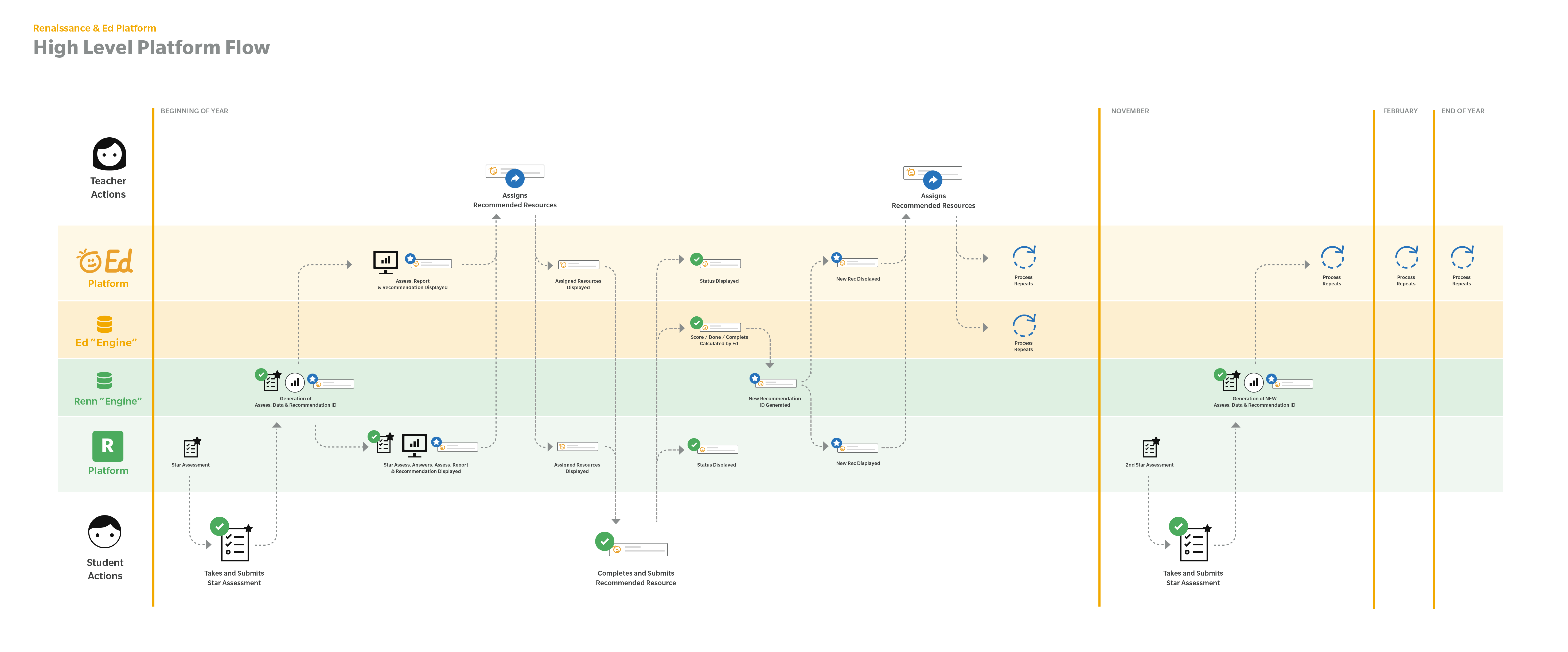
A cornerstone of our corporate strategy was crafting a dynamic blended learning experience. This intricate process entailed envisioning how both teachers and students engaged with our digital, video, and printed content. Seamless integration of various third-party components was also a significant aspect of this initiative, requiring careful architectural planning. The complexity of this highly-matrixed experience emphasized the need for meticulous consideration of user journeys before delving into UI design.
WIREFRAMES & PROTOTYPES
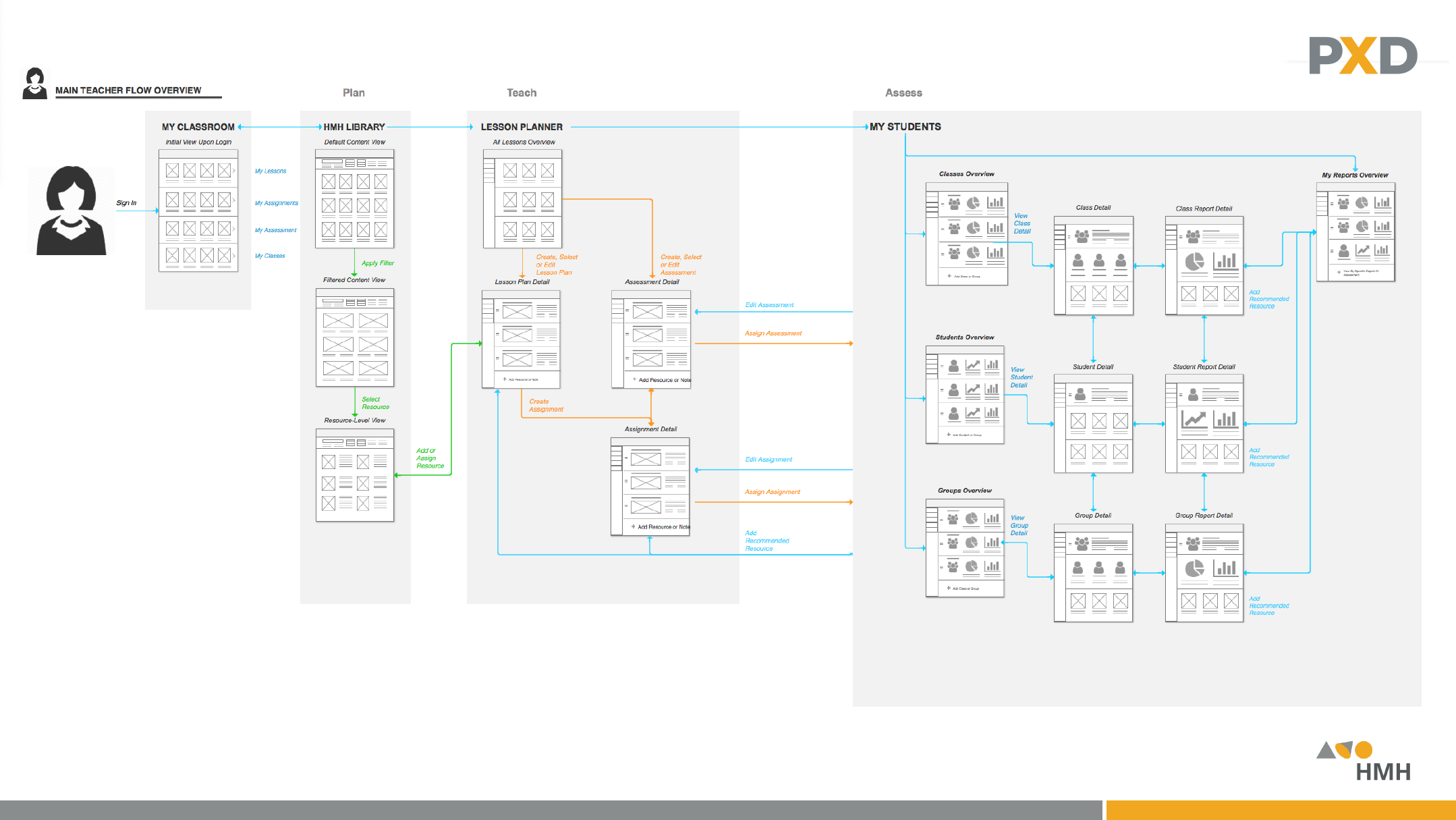
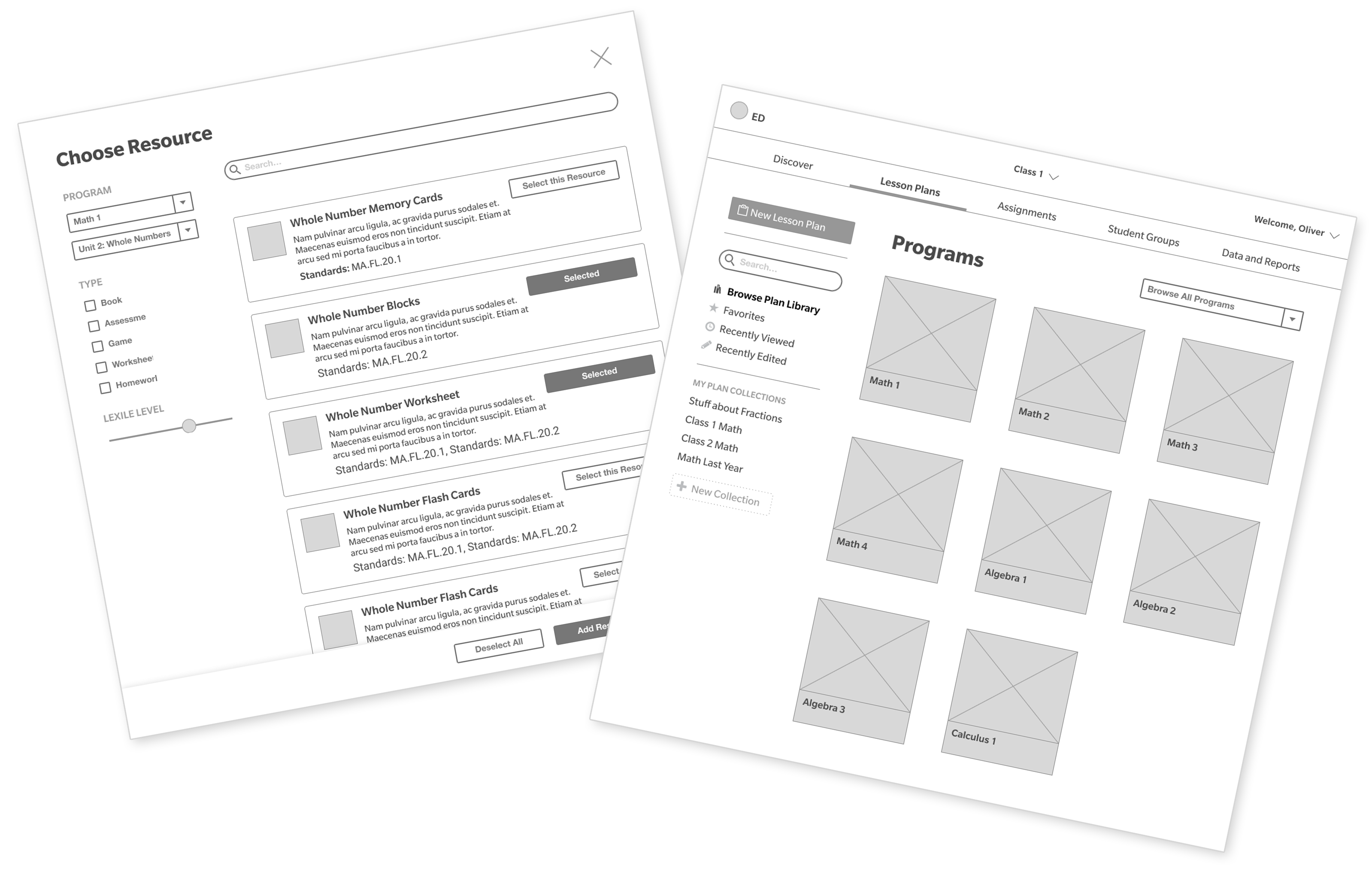
We streamlined the process of creating wireframes to serve as a foundation for both the UX design workflow and to bolster our user research endeavors. This operationalization ensured a seamless integration of wireframes, enhancing the efficiency and effectiveness of our design and research activities.
INDIVIDUAL SKILL SET ASSESSMENT
My initial responsibility was to evaluate the current design studio comprising over 90 designers. This involved assessing individual talents, creating new job titles, and architecting a redesigned design organization and mission that aligns seamlessly with our corporate strategy.
The existing design studio faced a challenge with a uniform title structure, designating all 90+ designers as Design Architects, regardless of their varied skill sets, ranging from UX and UI designers to illustrators, 3D modelers, animators, audio and video producers, and print designers. Moreover, the team encompassed individuals at different career stages, spanning from entry-level contributors to seasoned directors.
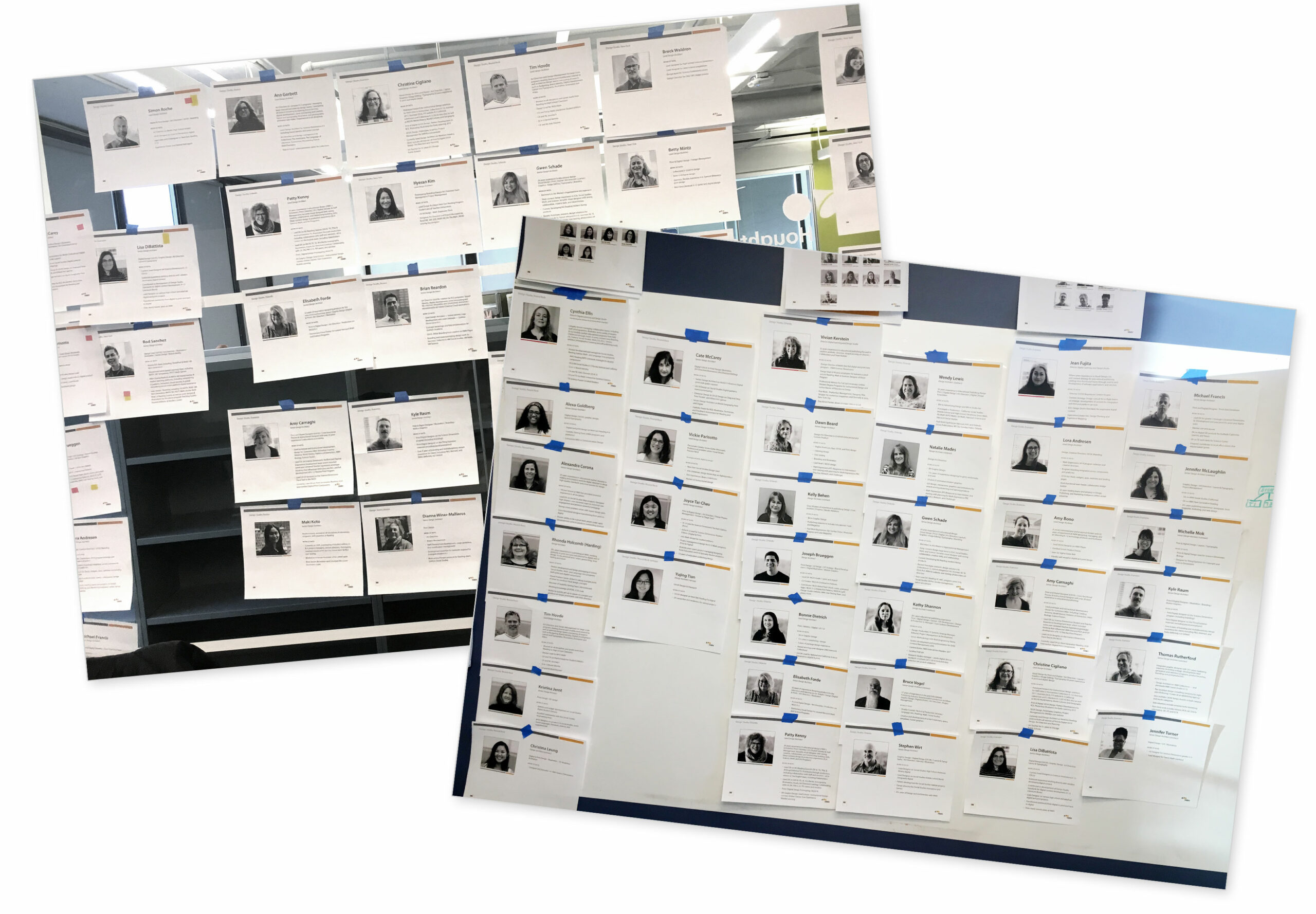
To kickstart the process, I dedicated time to understanding each team member, engaging in discussions about their passions, evaluating their skill levels, and collaborating with their current managers. This qualitative approach ensured a thorough understanding of each individual's strengths and contributions.
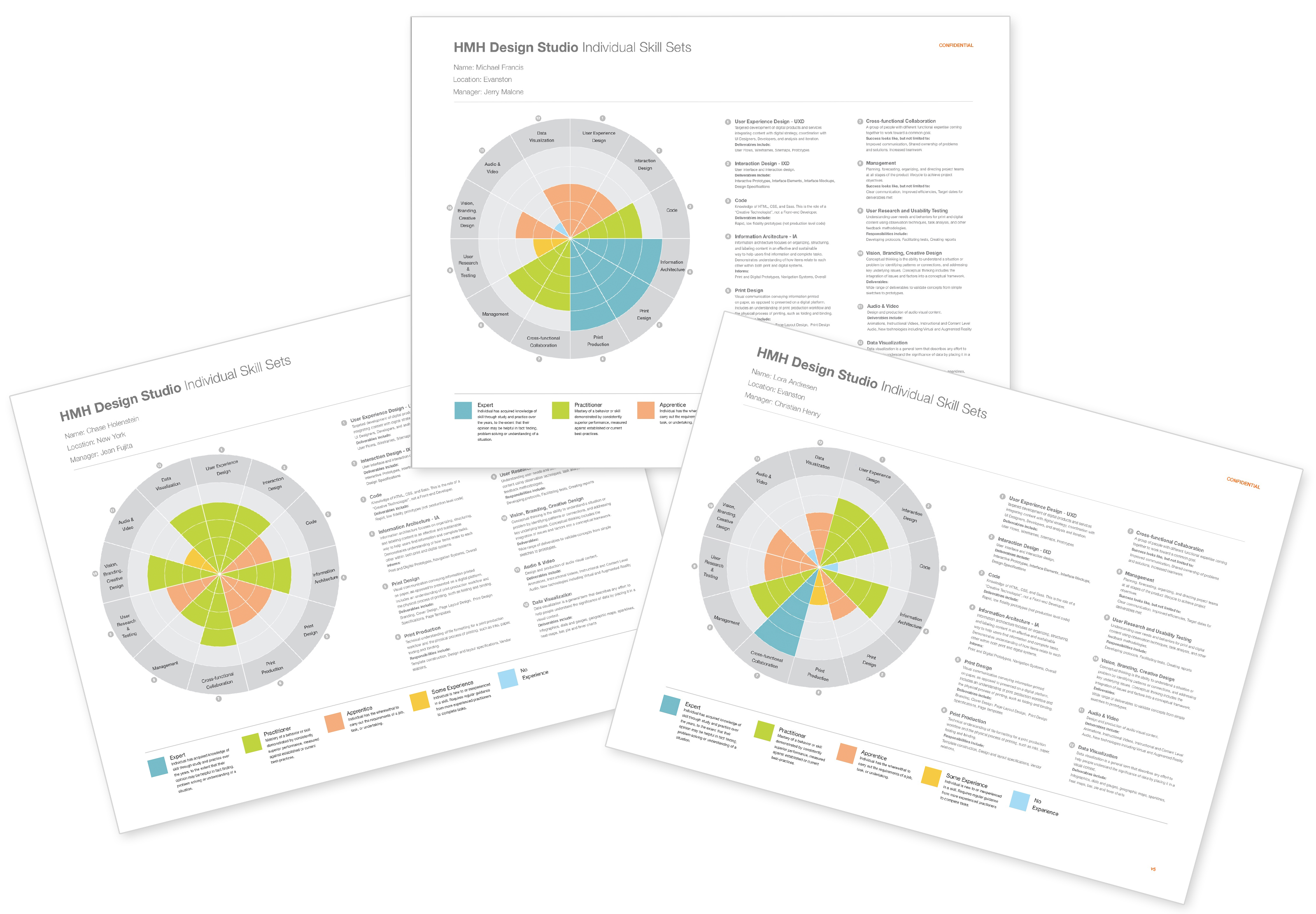
Following the initial qualitative approach, we delved into a quantitative analysis of each individual's skill sets, strategically visualizing them in the charts below. These skill sets were predetermined based on their critical importance in aligning with our forward-thinking corporate strategy. The data-driven insights provided a comprehensive overview, enabling us to identify key strengths and areas for development, ultimately shaping a team that perfectly complemented our corporate strategy and objectives.
A NEW DEPARTMENT STRUCTURE
With each individual assessed, we right-sized the balance of skill sets needed and created both a new org and title structure.
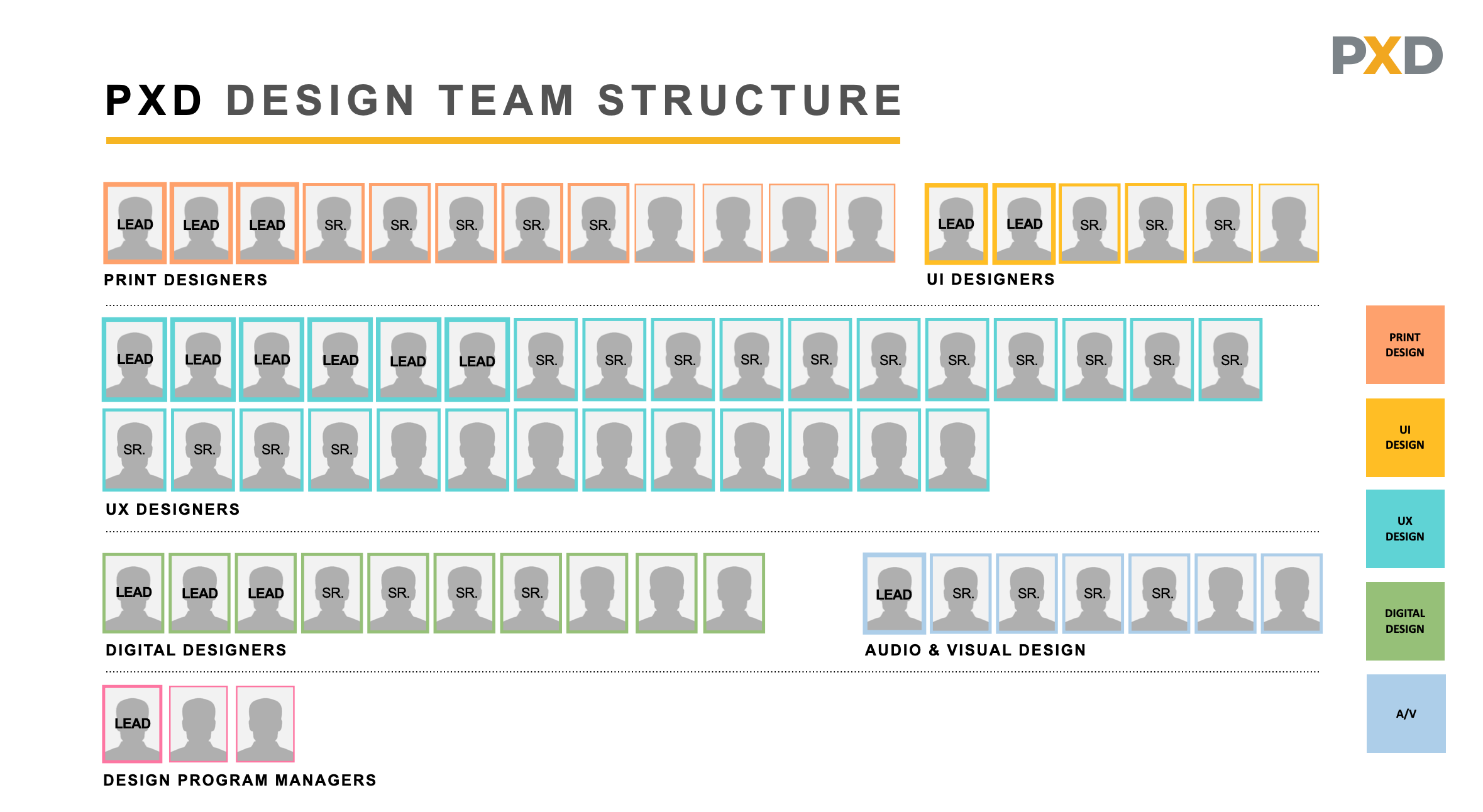
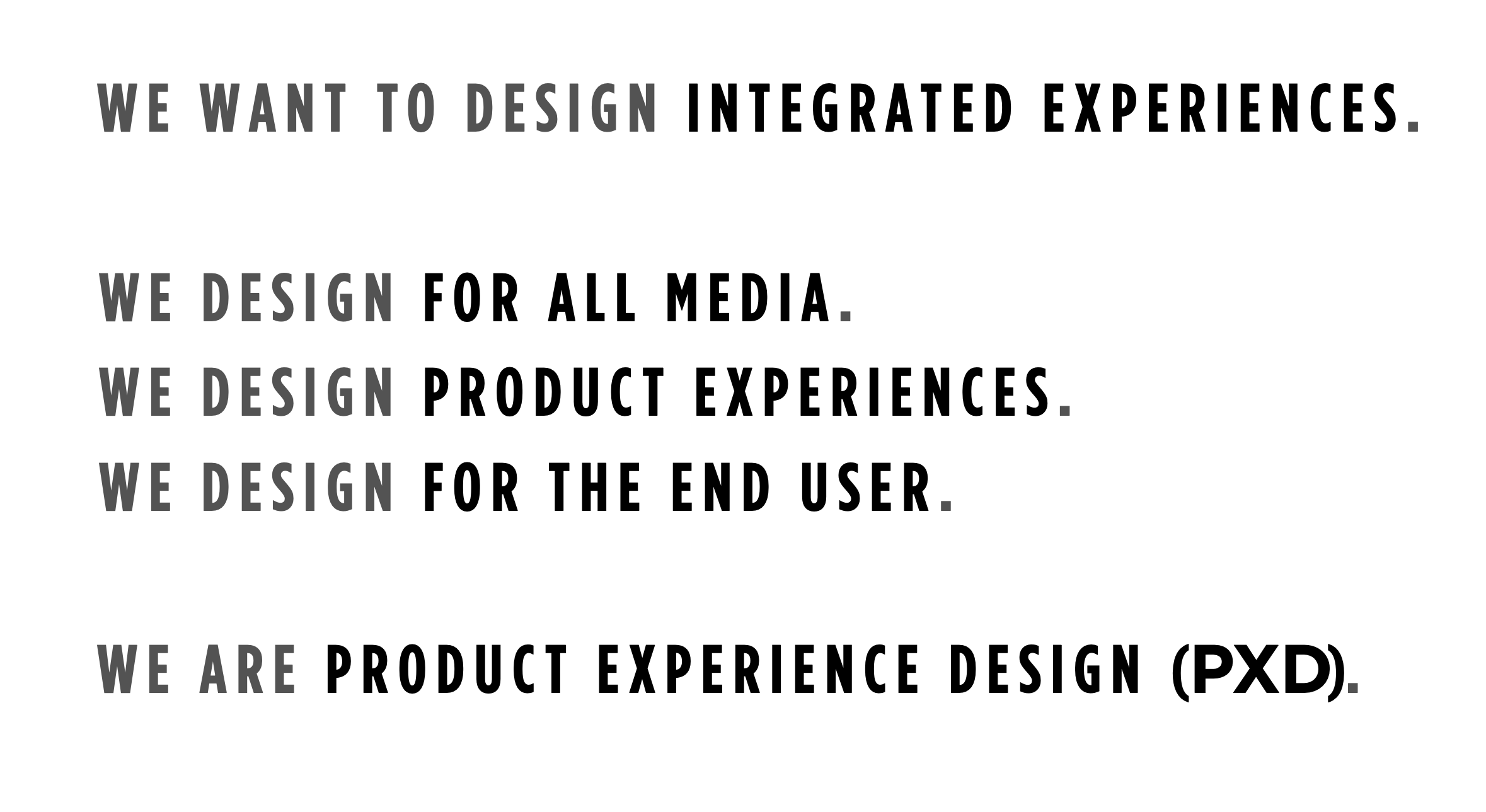
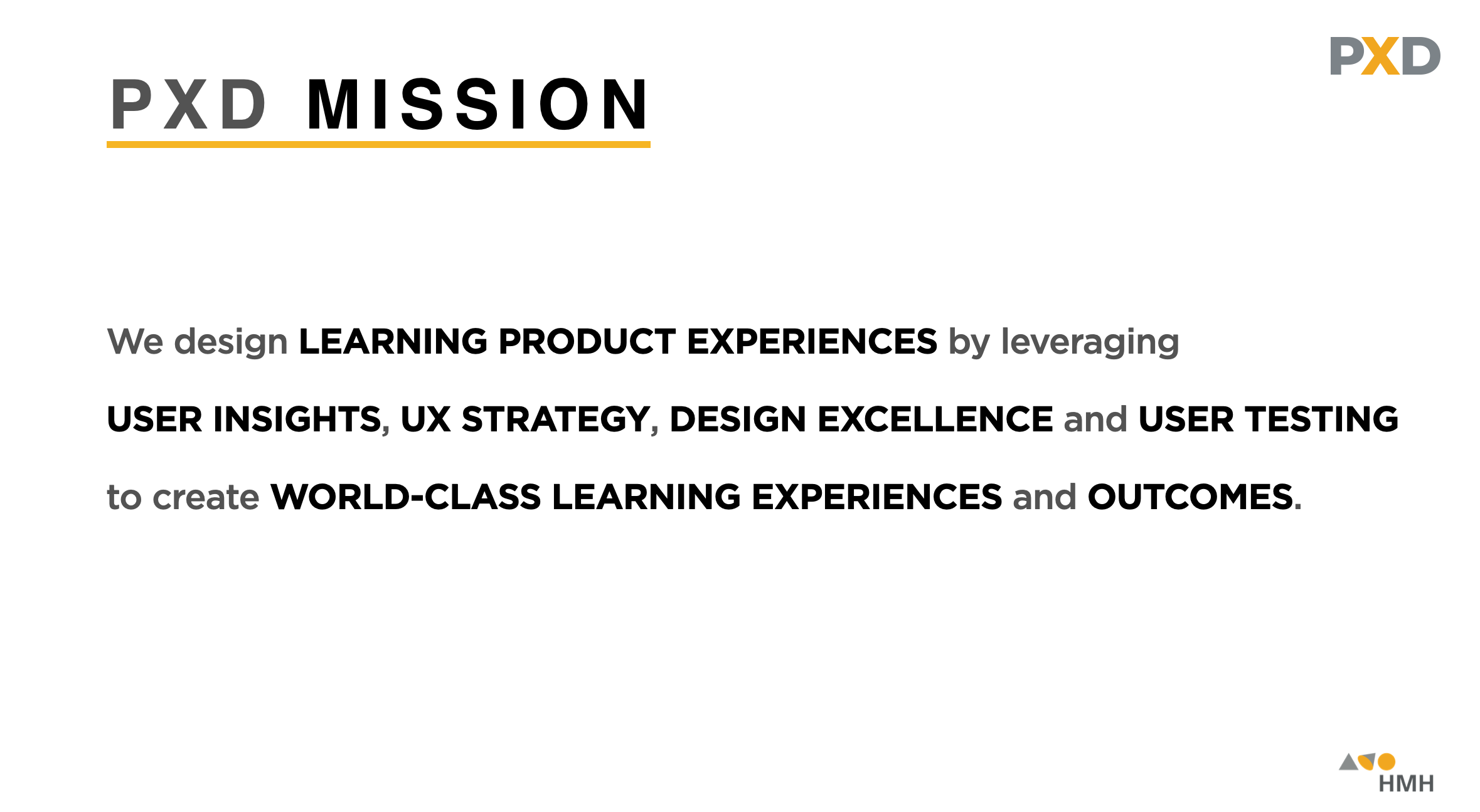
The outcomes of our assessment and organizational redesign efforts culminated in a significant transformation, transitioning from the Design Studio to the Product Experience Design (PXD) department. This realignment not only reflected the diverse skill sets and talents within the team but also underscored our commitment to delivering a holistic and impactful product experience. The shift to PXD emphasized a broader perspective on design, encapsulating the multifaceted nature of our work in crafting meaningful and user-centric learning product experiences.
SHOWREEL OF WORK EXAMPLES PUBLISHED
In the video below, you'll find a summary showcase of some of the remarkable achievements made by the team during my tenure. This video served as a powerful tool to boost team morale, enhance engagement, and attract top talent. Many of the featured projects garnered industry recognition and awards, underscoring the innovation and excellence achieved by our collaborative efforts.
Selected Works