Back to Home
Woodruff Sawyer, a large insurance firm, grappled with an outdated and decentralized platform, where brokers operated independently in managing client relationships, relying on varied documents and processes. Our goal was to evaluate all existing workflows and propose a centralized solution to streamline documents, workflows, and communications between brokers and clients.
USER RESEARCH, PRODUCT STRATEGY. PRODUCT DESIGN, DESIGN LEADERSHIP
ROLE OVERVIEW
In my role as the Principal of User Experience, I was tasked with:
- Leading discovery and design thinking workshops involving numerous internal brokers.
- Conducting interviews with dozens of external clients to gain a deep understanding of their needs.
- Refining wireframes to articulate and test our product hypotheses.
- Developing modern and simplified workflows along with product designs customized for both internal brokers and external clients.
DISCOVERY & USER RESEARCH
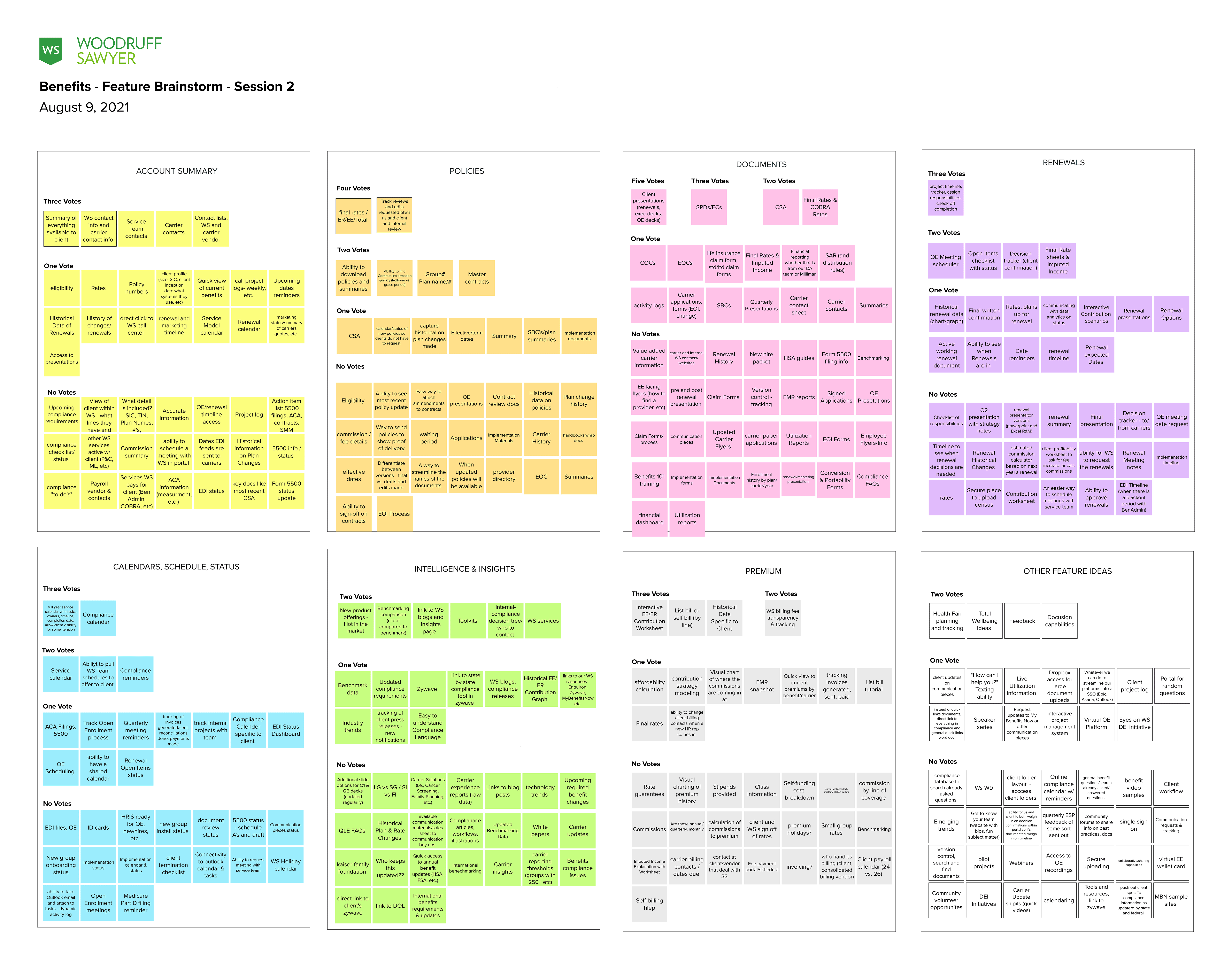
The process involved an extensive discovery and research phase to assess numerous user personas, user goals, and the array of documents and digital platforms in use. Following this, we organized a series of six design thinking workshops with both brokers and clients. These sessions aimed to capture all their feature needs and desires in an open environment. Subsequently, participants voted on the features they believed would deliver best address their needs.
INFORMATION ARCHITECTURE & USER FLOWS
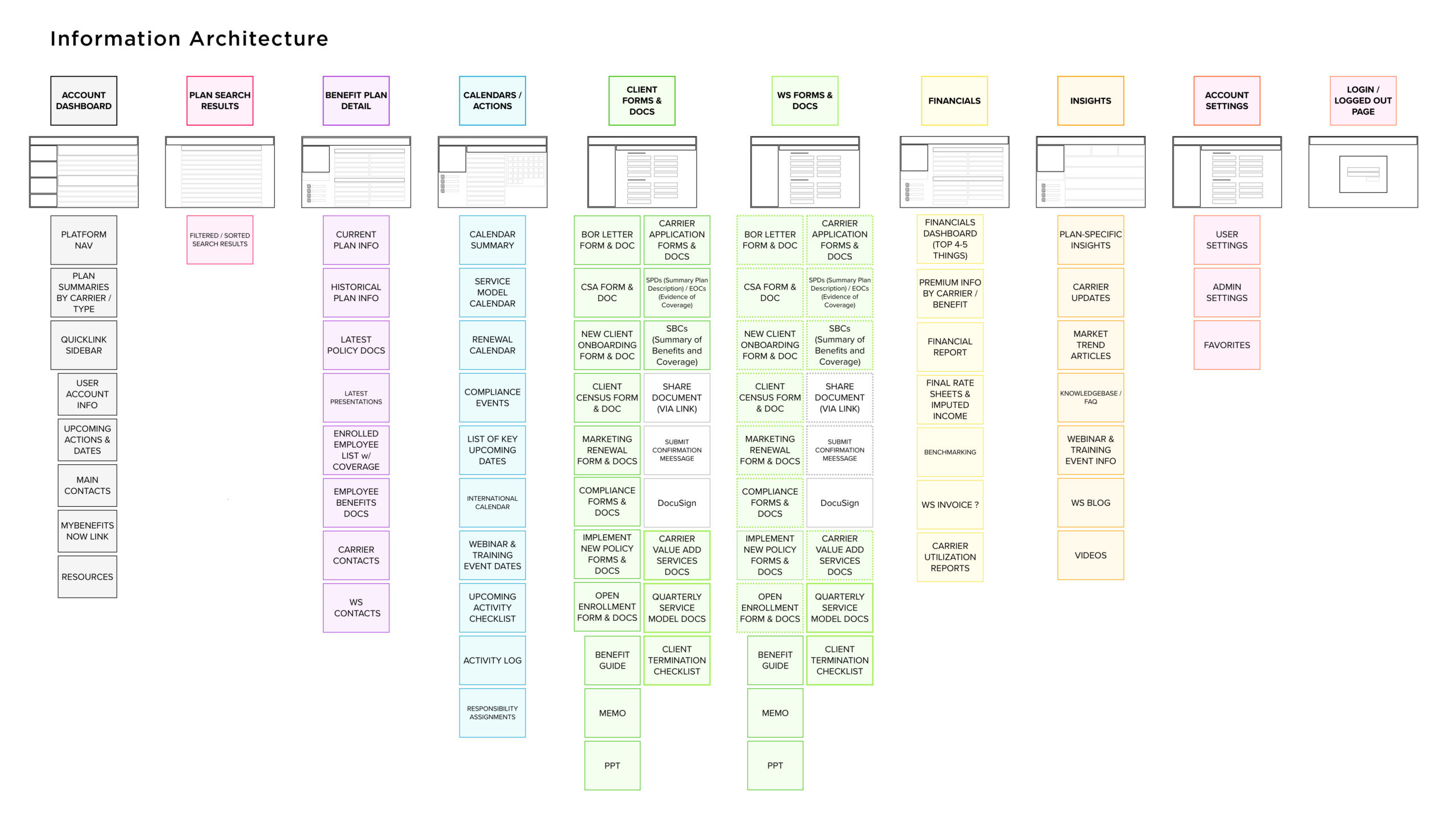
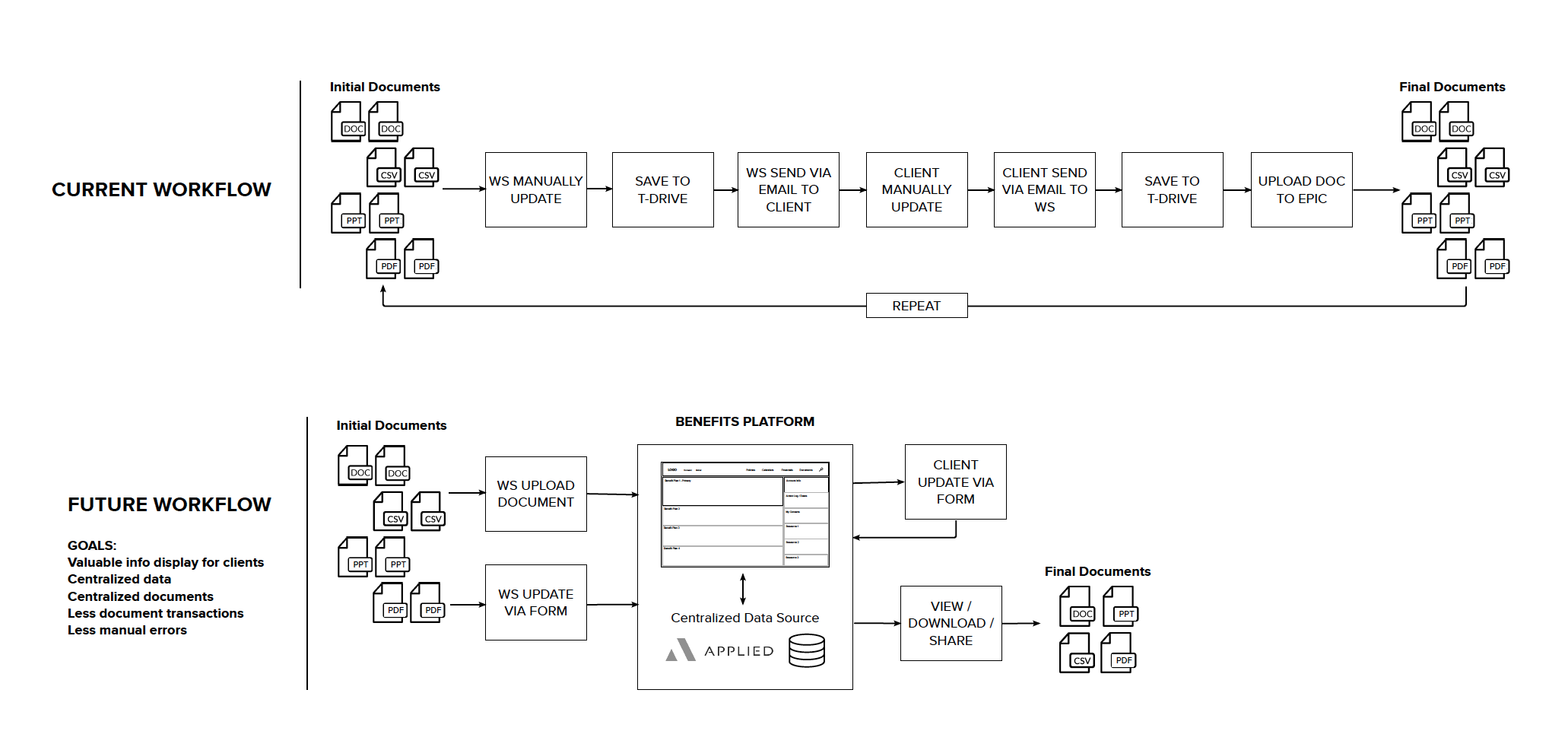
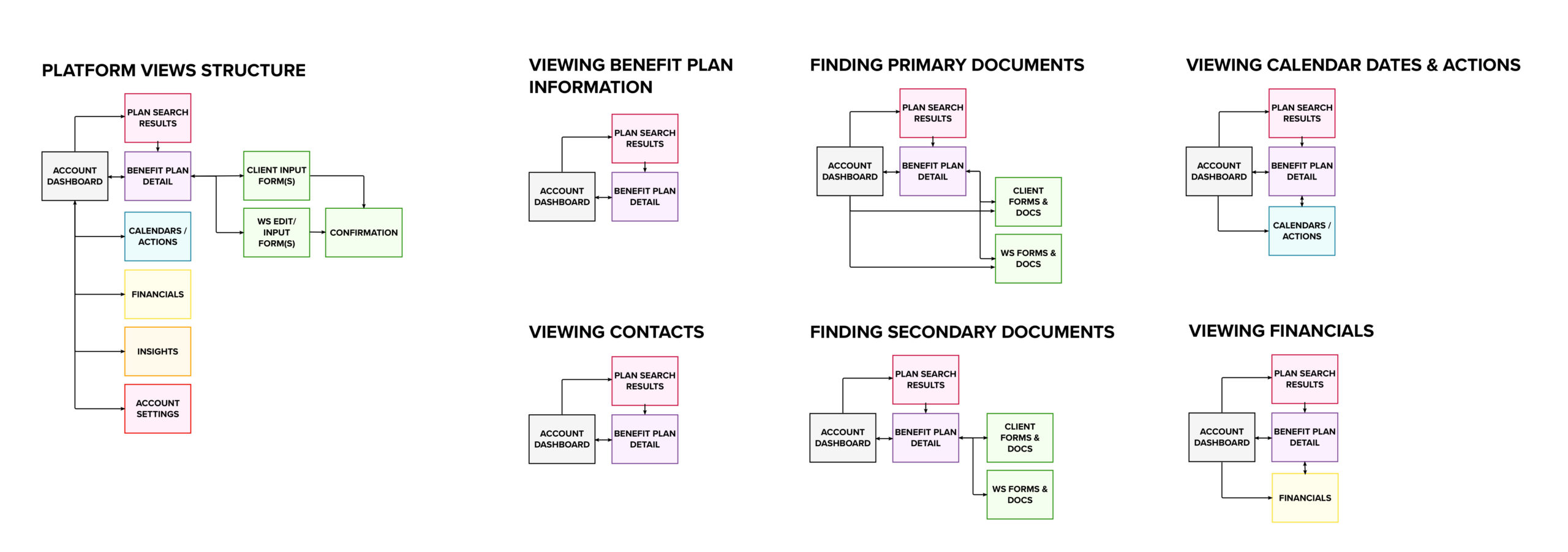
After gathering extensive input from business stakeholders, brokers, and clients, we initiated the process of defining and organizing high-priority features that directly addressed their primary use cases. This encompassed the design of a new information architecture and intuitive document tracking, accompanied by several iterations of the new and optimized workflows.
WIREFRAMES, PROTOTYPES & USER TESTING
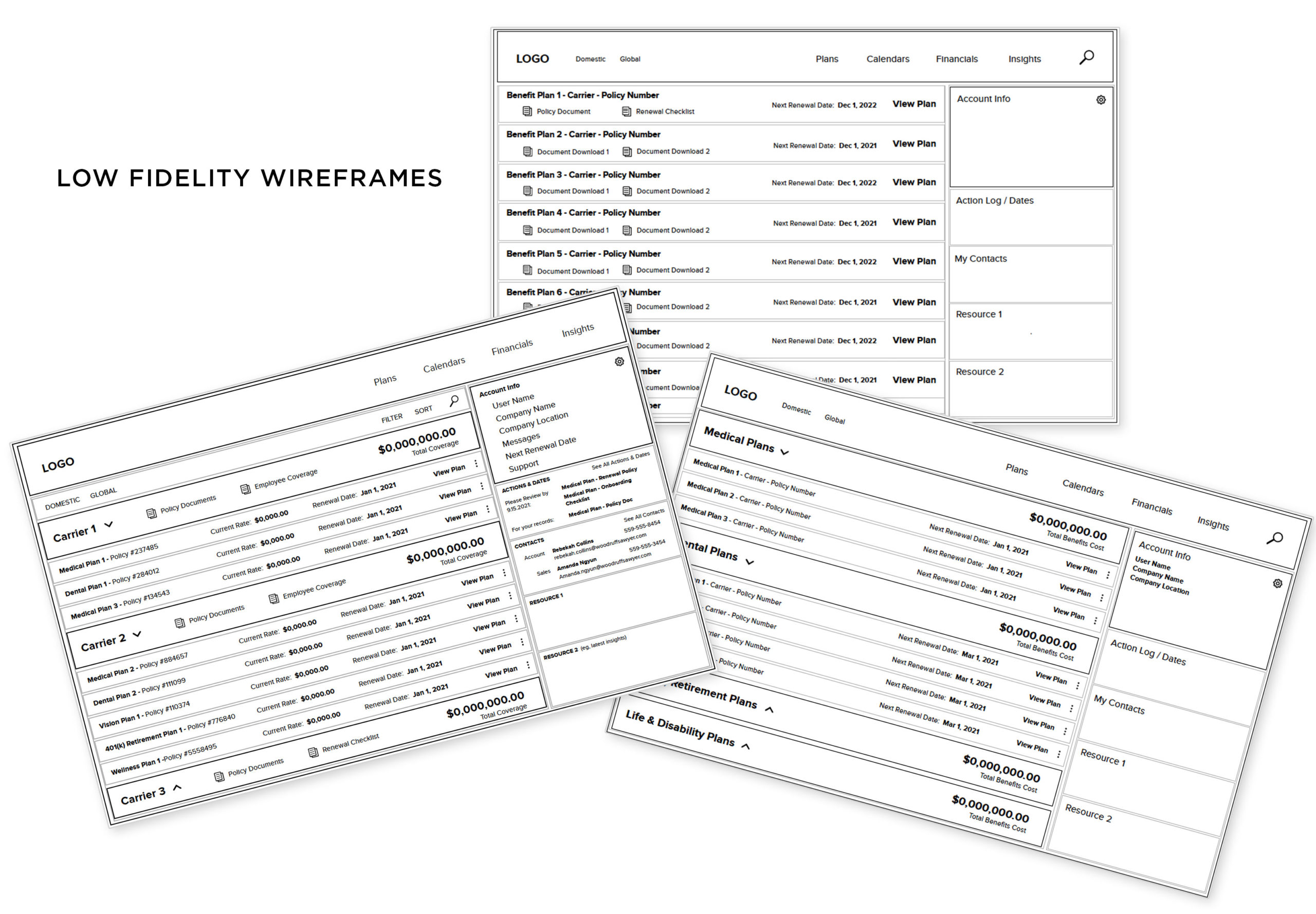
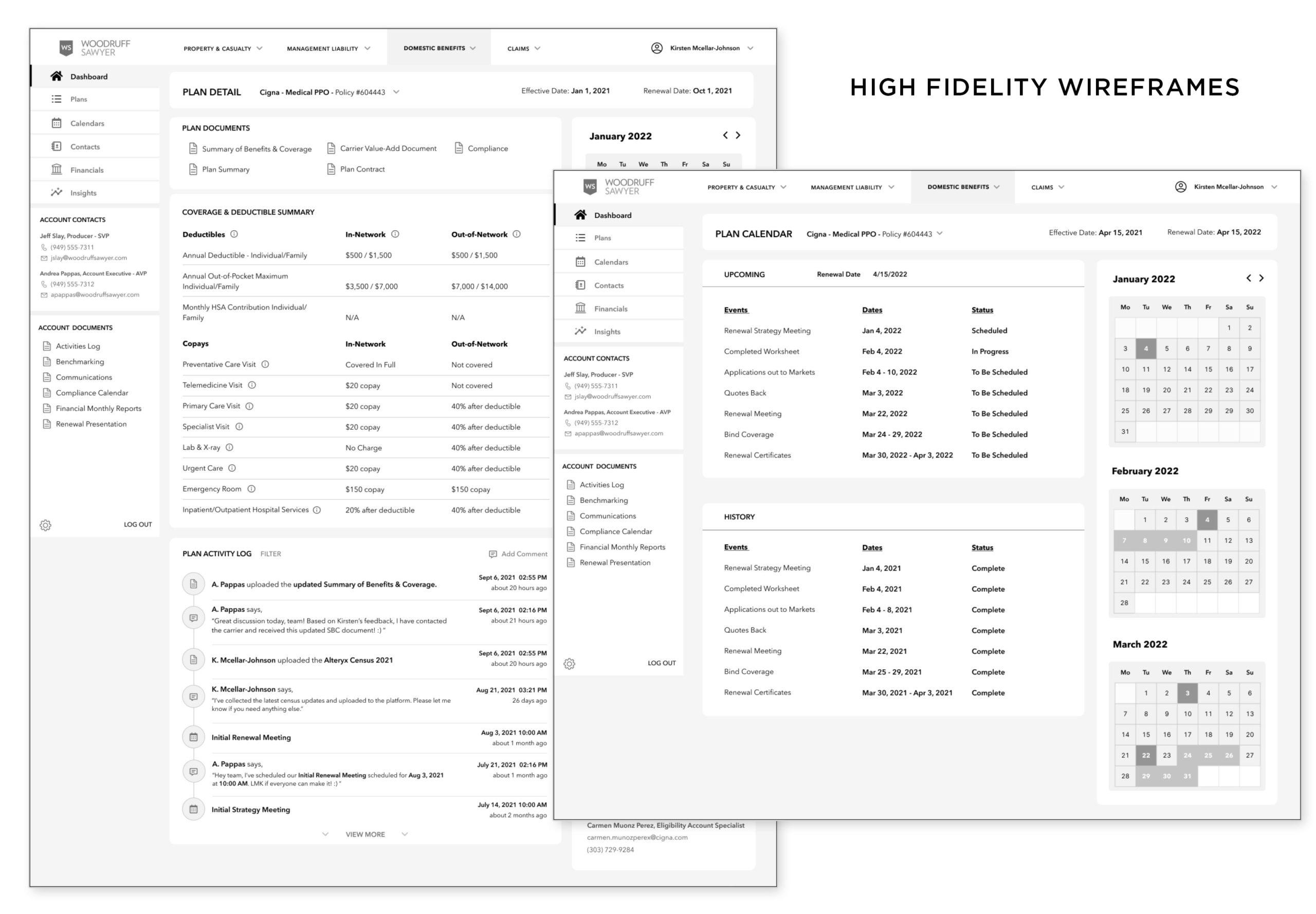
After establishing a shared understanding and consensus in our collaborative sessions, we initiated the development of low-fidelity wireframes and prototypes to collect user feedback. Once we gained confidence in the direction of these low-fidelity wireframes, we transitioned to designing high-fidelity wireframes. This allowed for close collaboration with their data and engineering teams to ensure the solution was both feasible and comprehensible to all stakeholders.
BUILDING A DESIGN COMPONENT SYSTEM
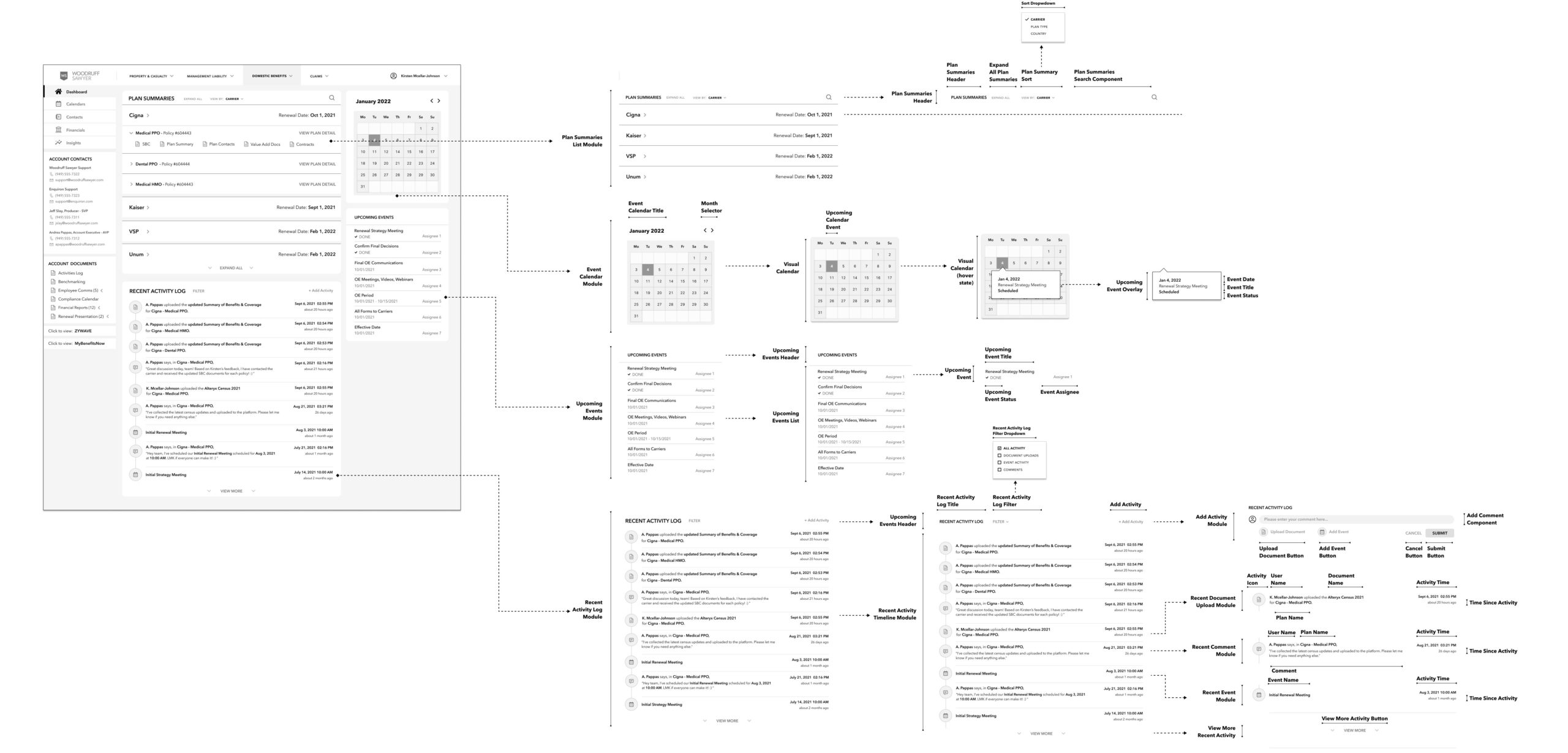
Building out a complex platform required a solution composed of a system of components. This approach provided clarity for front-end developers, helping them understand the purpose and structure of each view. Additionally, it ensured the extensibility of incorporating future features.
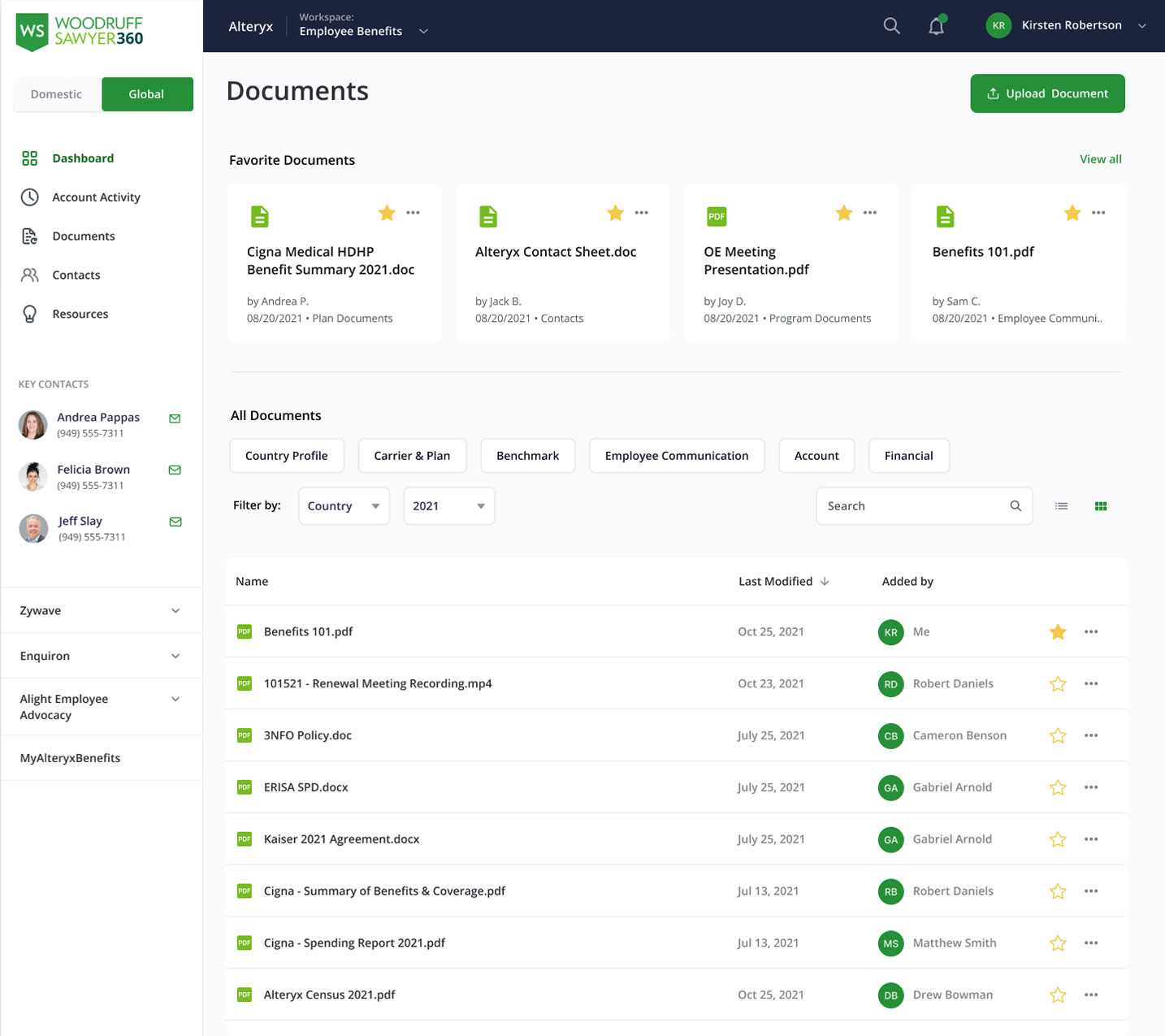
NEW PLATFORM UI EXAMPLES
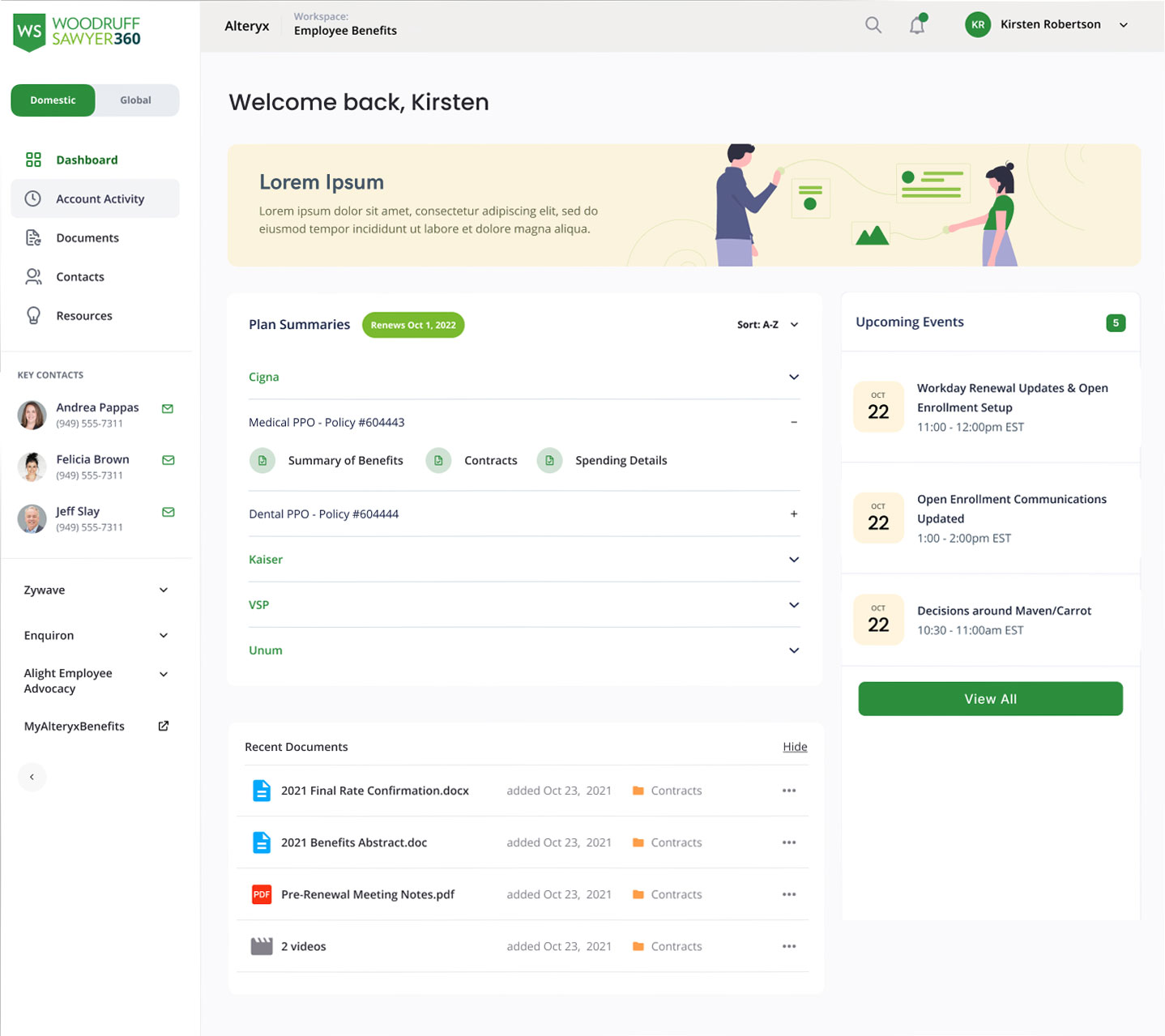
The resultant designs and workflows injected fresh vitality into a convoluted process plagued by inefficiencies and lost productivity. The revamped platform brought forth a clear organization of documents, account statuses, benefits explanations, and next steps for both insurance clients and their brokers.
Domestic Dashboard
Global Dashboard
Selected Works