Back to Home
Paige.AI, a startup from Memorial Sloan Kettering focusing on computational pathology, aims to revolutionize cancer detection in biopsy slides using AI technology.
USER RESEARCH, PRODUCT STRATEGY, UX DESIGN, PRODUCT DESIGN
ROLE OVERVIEW
As Paige's initial hire for product and design, my role encompassed defining, planning, and executing all aspects of user research, product strategy, UX design, user testing, and clinical studies. I implemented our first Agile product development across teams and locations. Additionally, I oversaw the rebranding efforts for the company's logo, website, event booths, and marketing materials.
Thanks to our efforts in research, strategy, and design, we successfully secured $75M in Series B funding, established a dedicated UX & Product team, and launched the Paige platform. During this process, I developed six utility patents based on user insights and UX concepts tailored for pathology.
Most notably, our platform achieved FDA approval as the first AI-driven pathology software for clinical cancer detection, marking a significant milestone in the field.
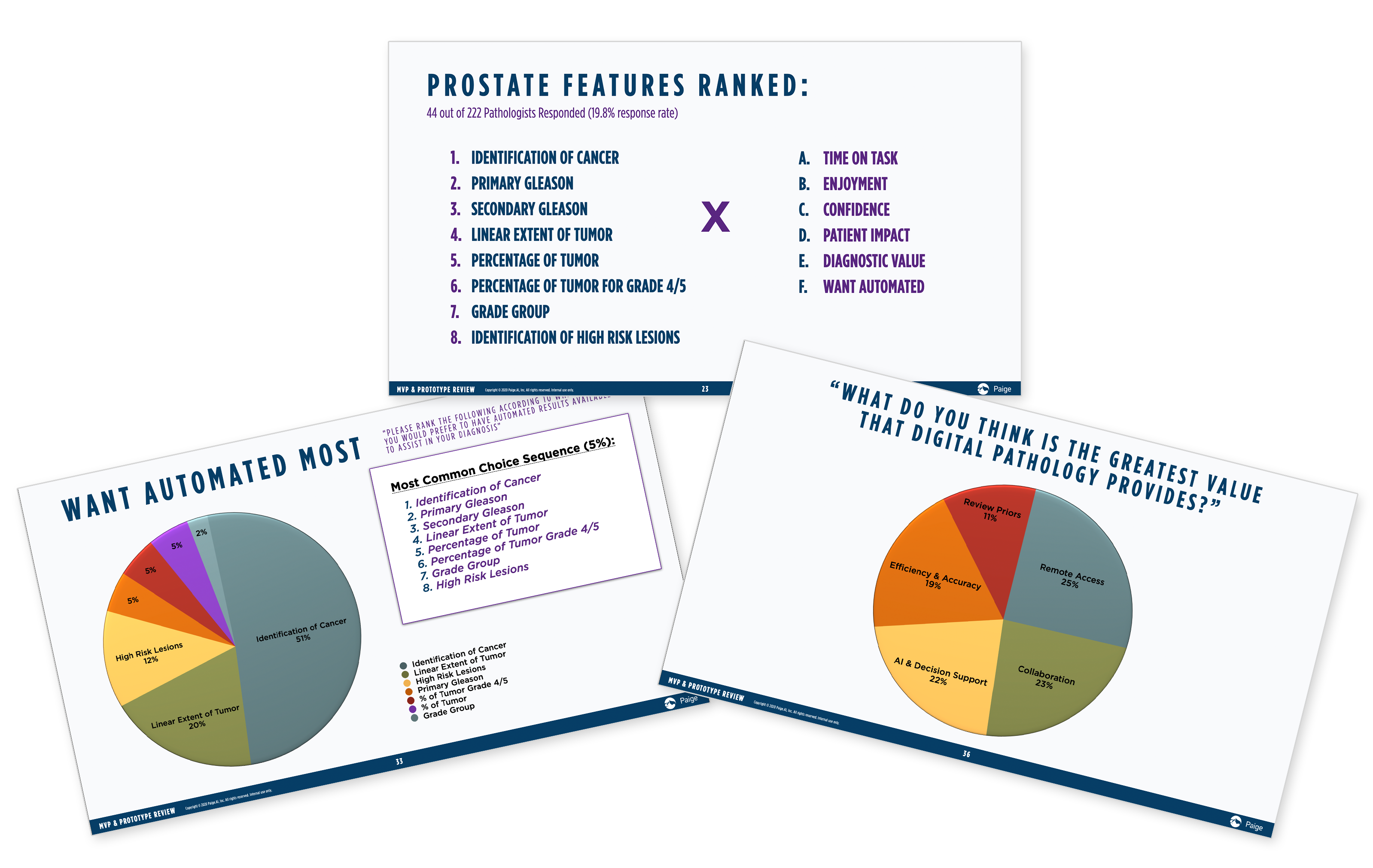
USER SURVEYS WITH PATHOLOGISTS AND ACCESSIONISTS
We conducted several surveys with pathologists across the country to gather insights into different aspects of their work. This included identifying tasks that took up the most time, brought the most satisfaction, and had the greatest impact on patients.
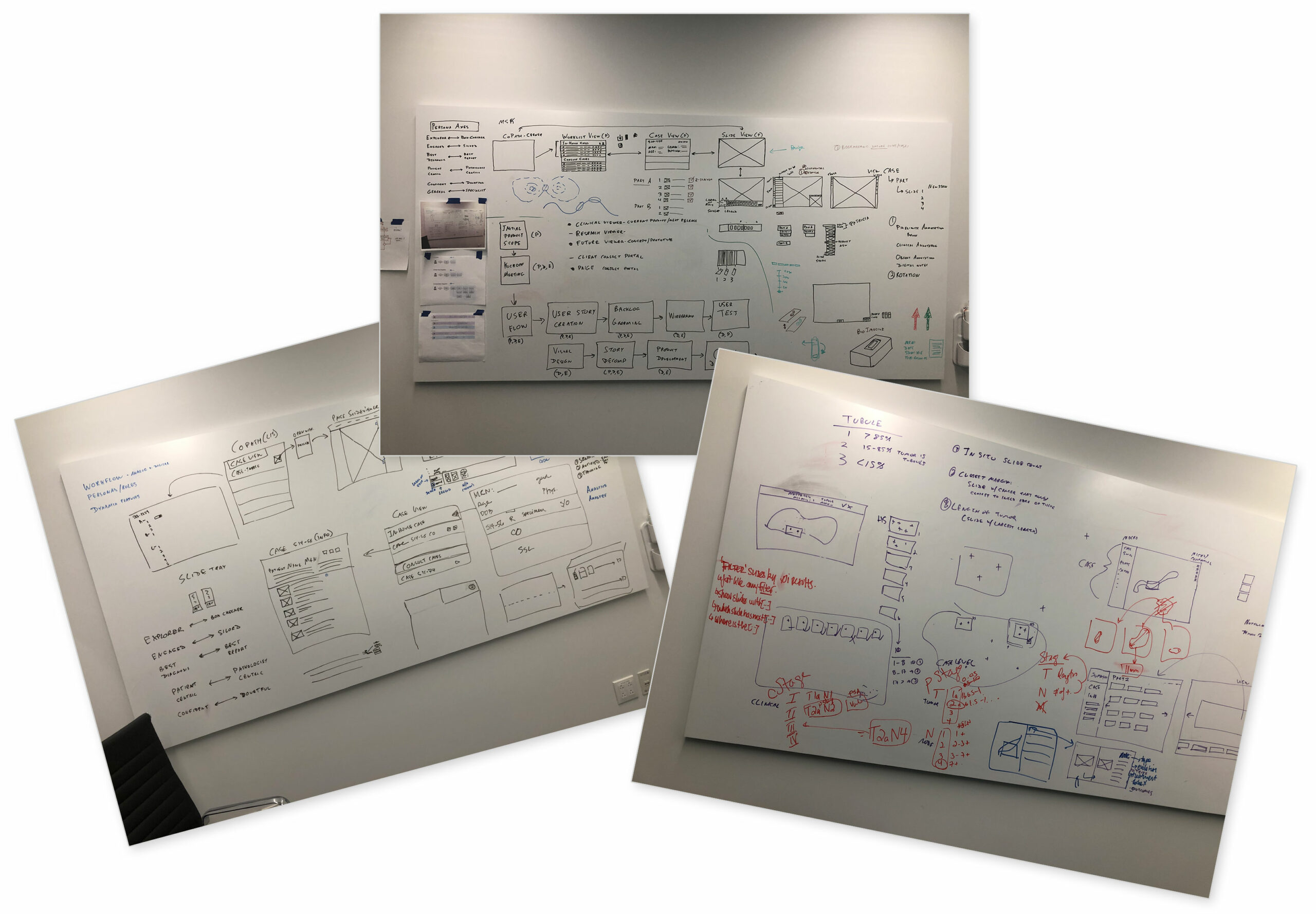
CODESIGN WITH PATHOLOGISTS AT MSK
We worked with pathologists through various collaborative activities to outline their current workflows and gain insight into where they see potential for AI and a digital platform to simplify their tasks.
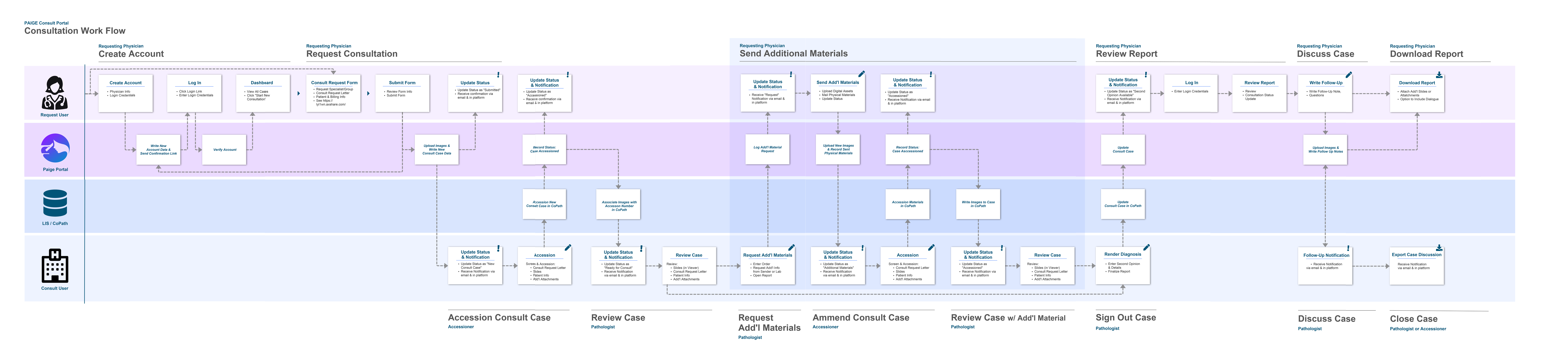
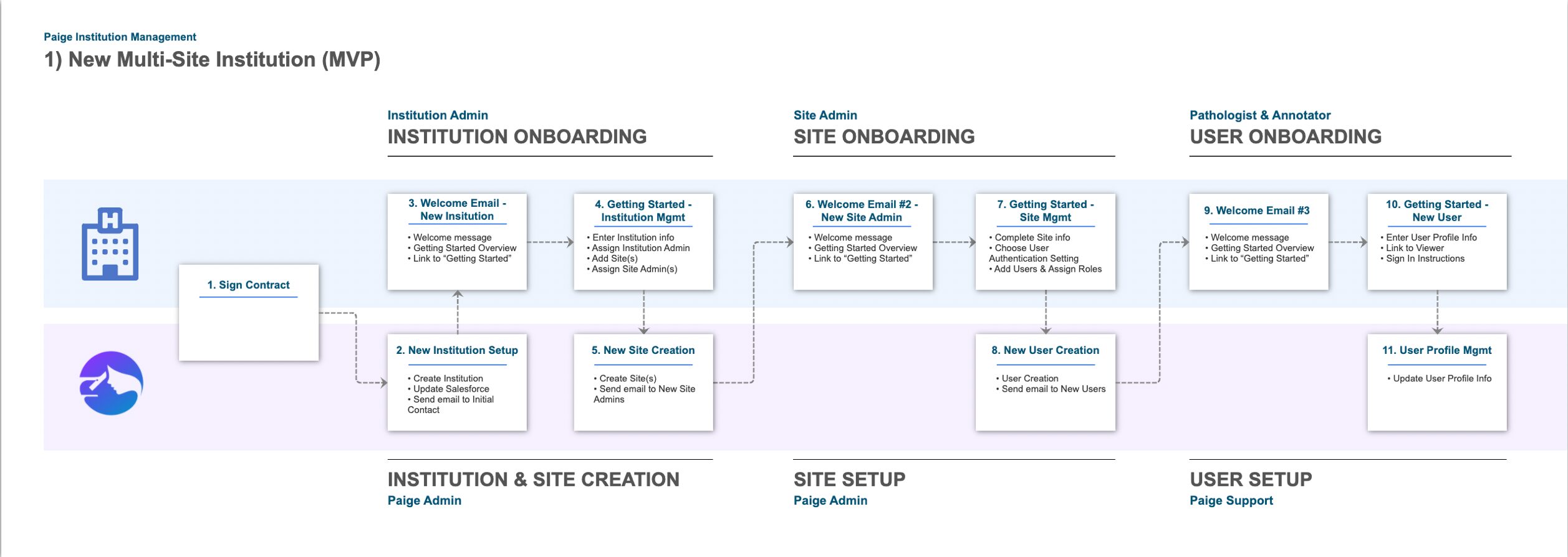
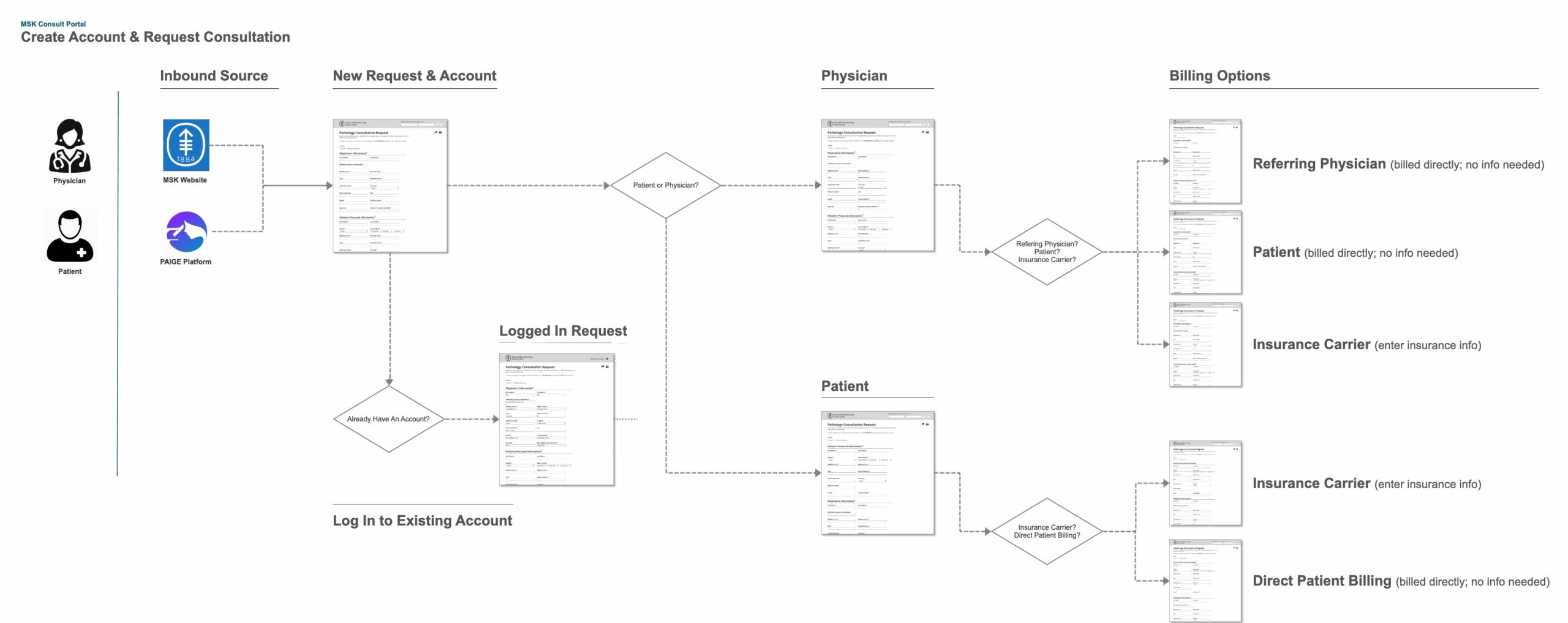
MULTIPLE USER FLOWS FOR CANCER DIAGNOSIS
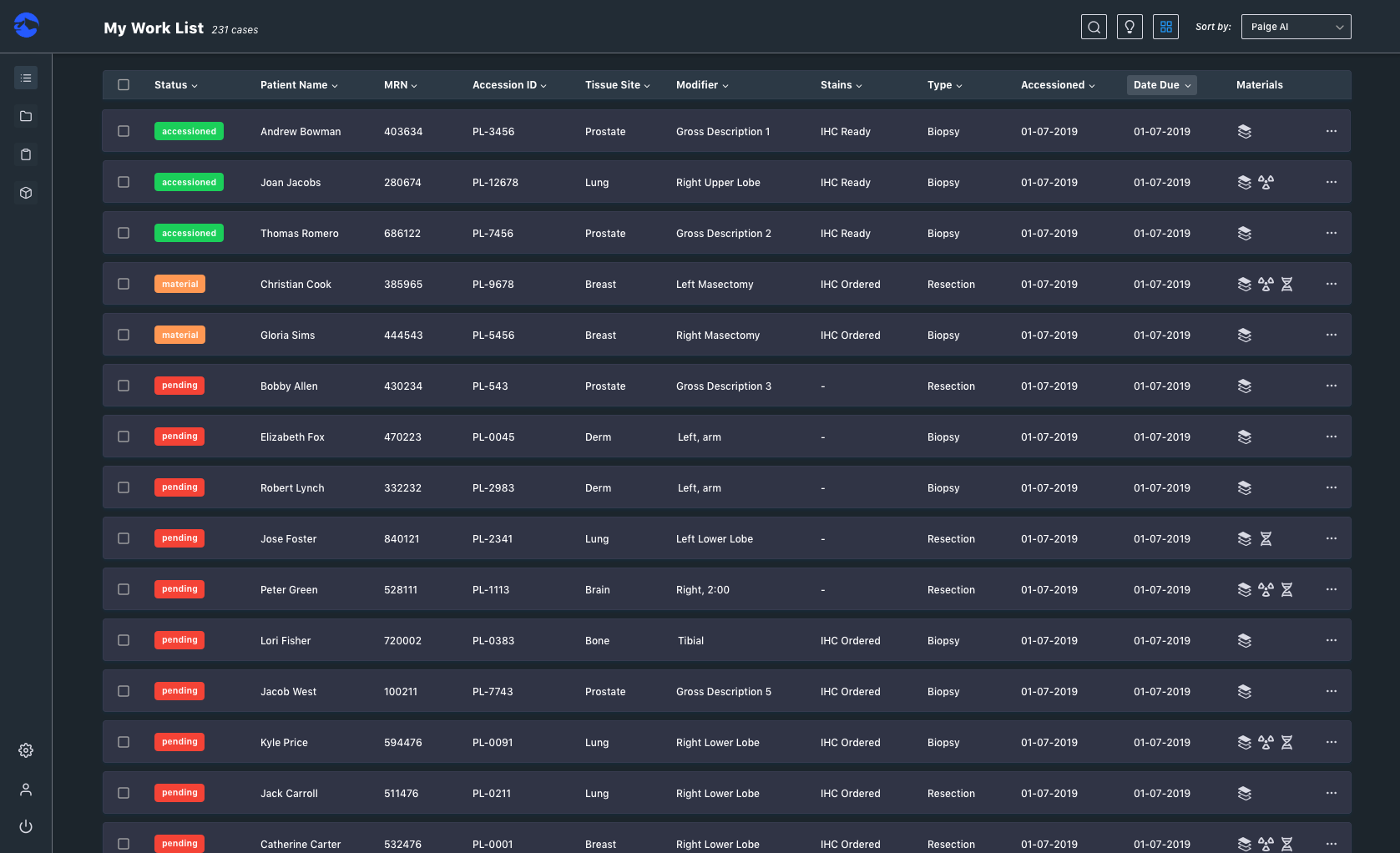
After grasping the many complex tasks required of pathologists, we crafted a fresh digital workflow. This new system harnesses AI to tackle mundane tasks, freeing up valuable time, and enhances the speed of reaching a diagnosis.
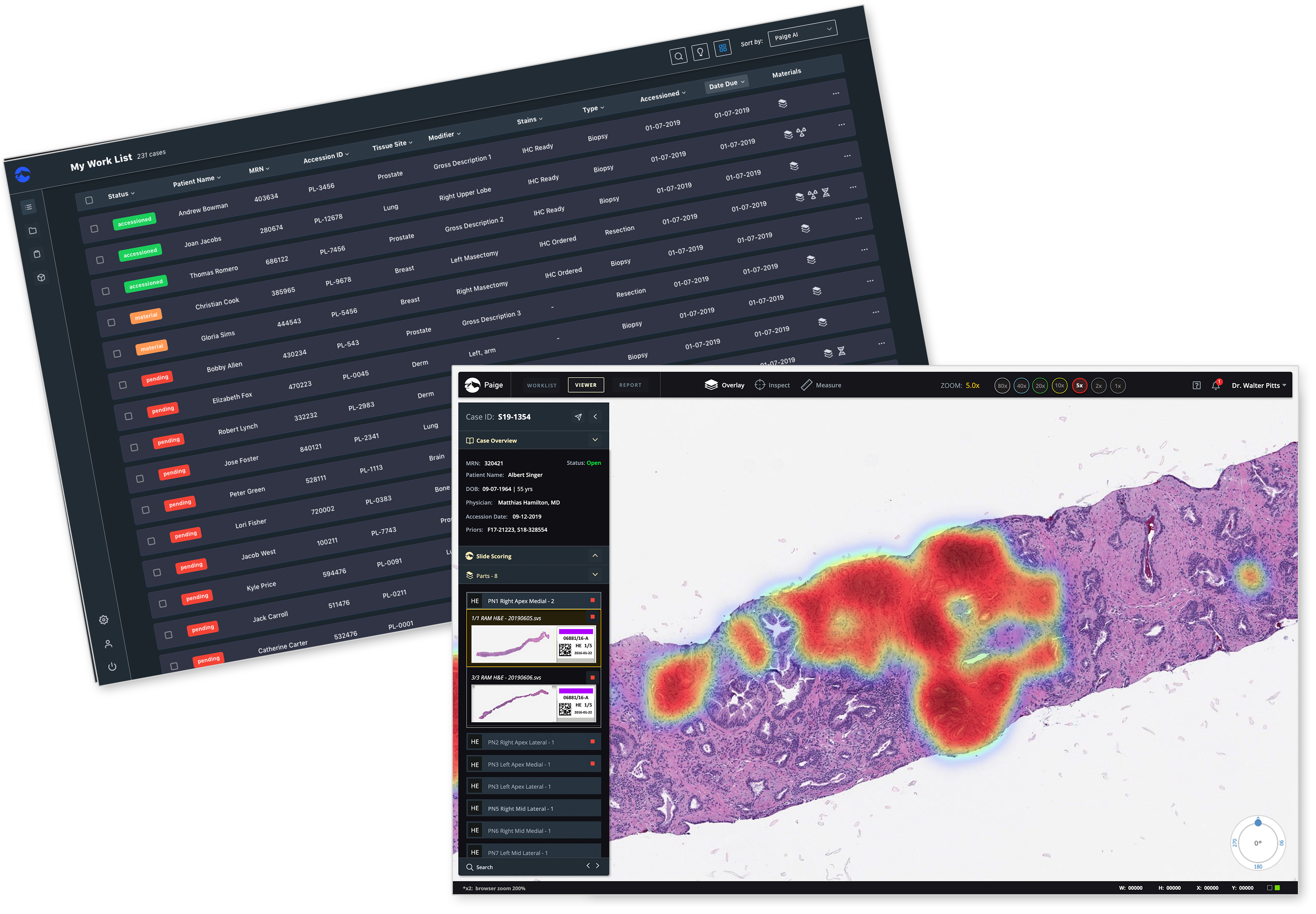
RETHINKING OUR AI OUTPUT
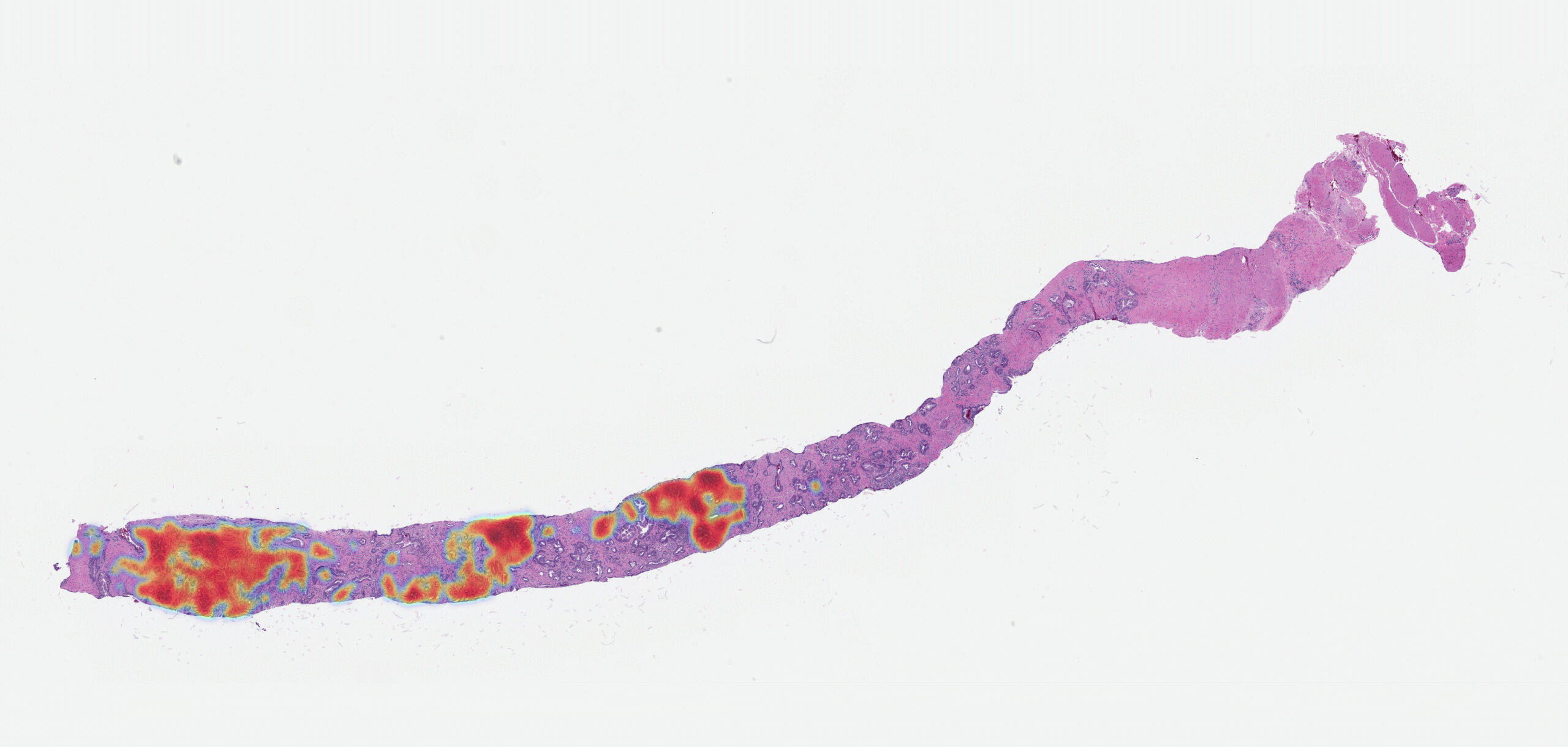
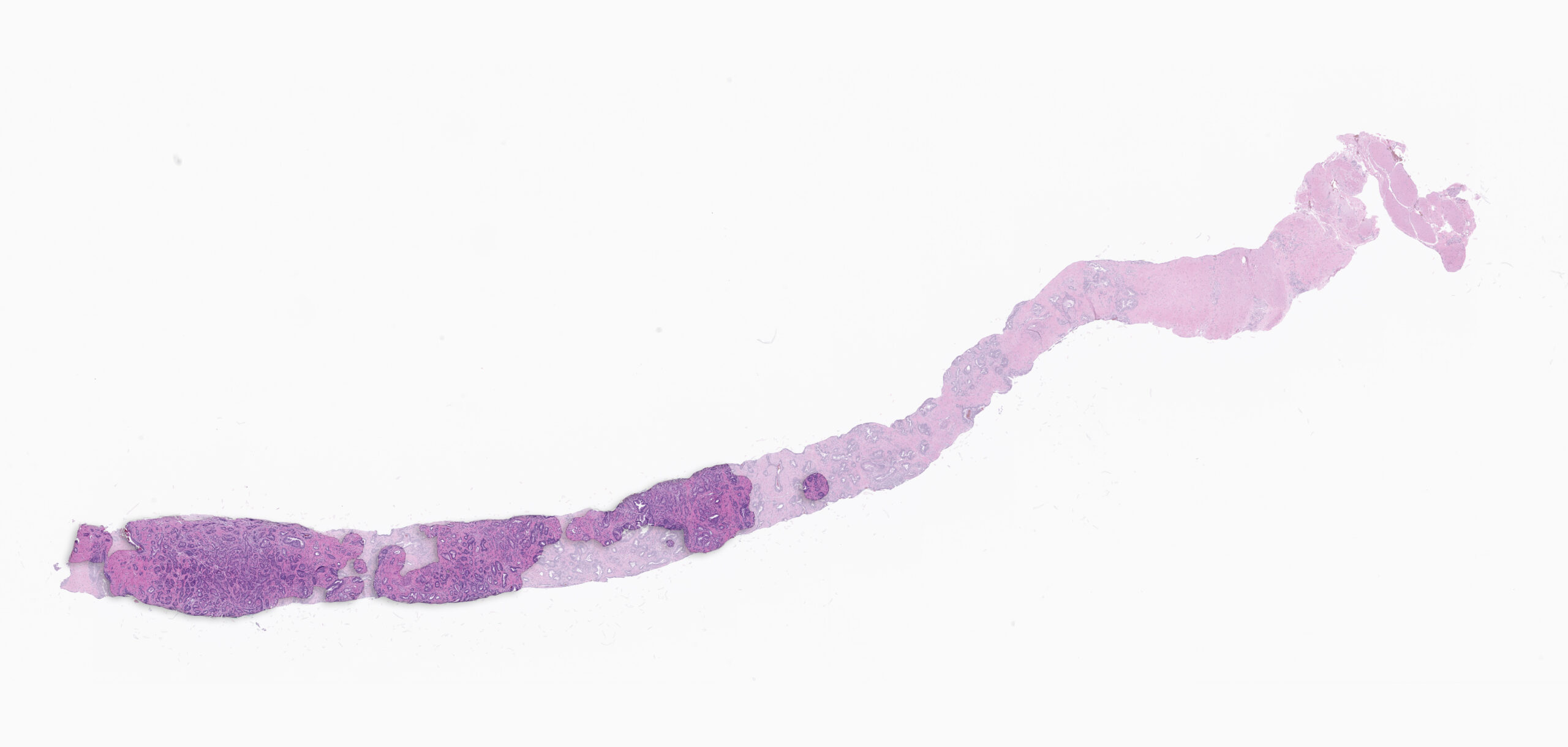
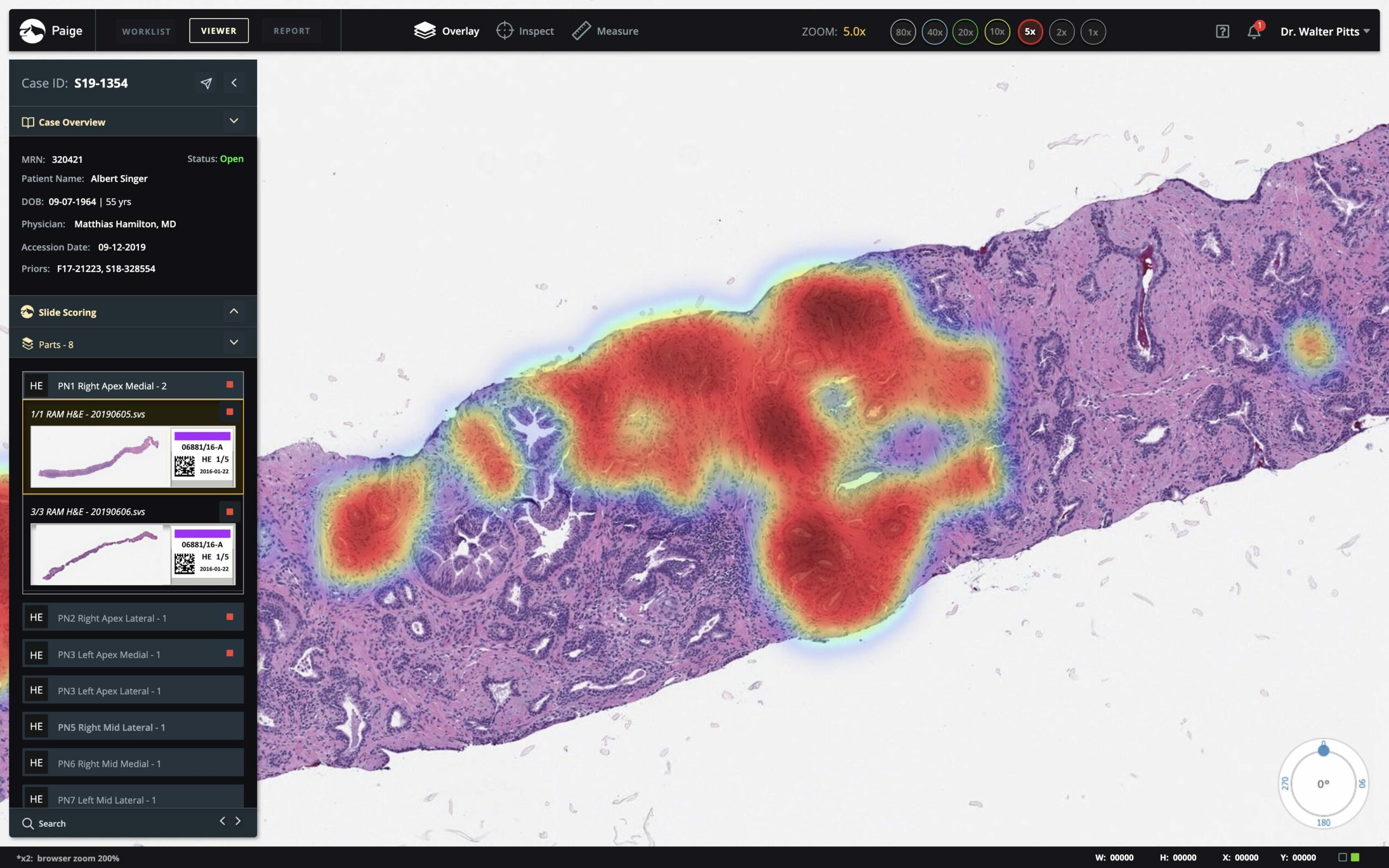
The current digital pathology tools used a heatmap to highlight cancer cells, but this method posed a problem for pathologists as it obscured the cells they needed to examine. To address this issue, we developed a new patented view called "Tissue Map," which toned down healthy cells and enabled users to visualize cancer areas differently. Eventually, we integrated both views to provide a comprehensive solution.
CANCER VIEWER UI EXAMPLES
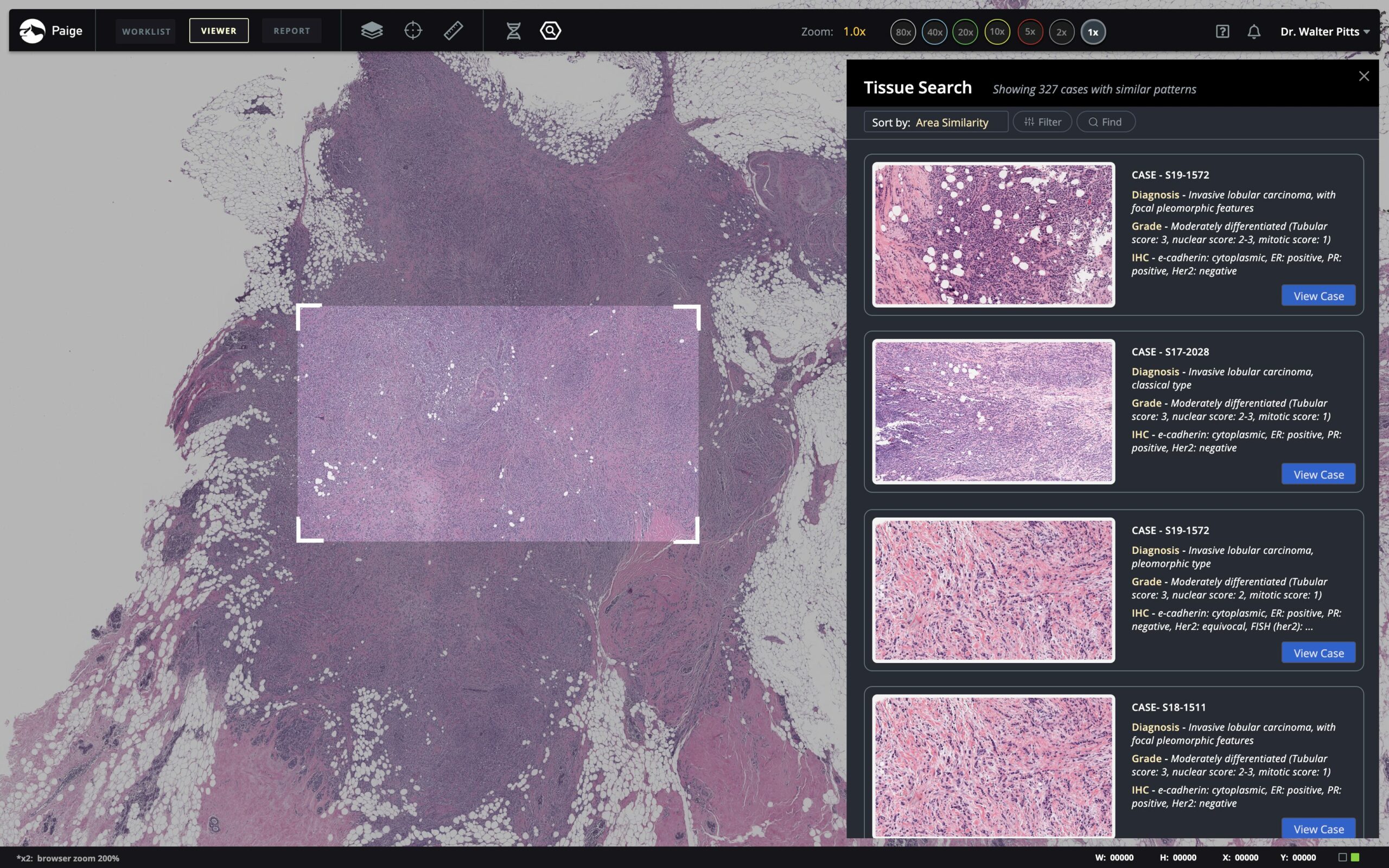
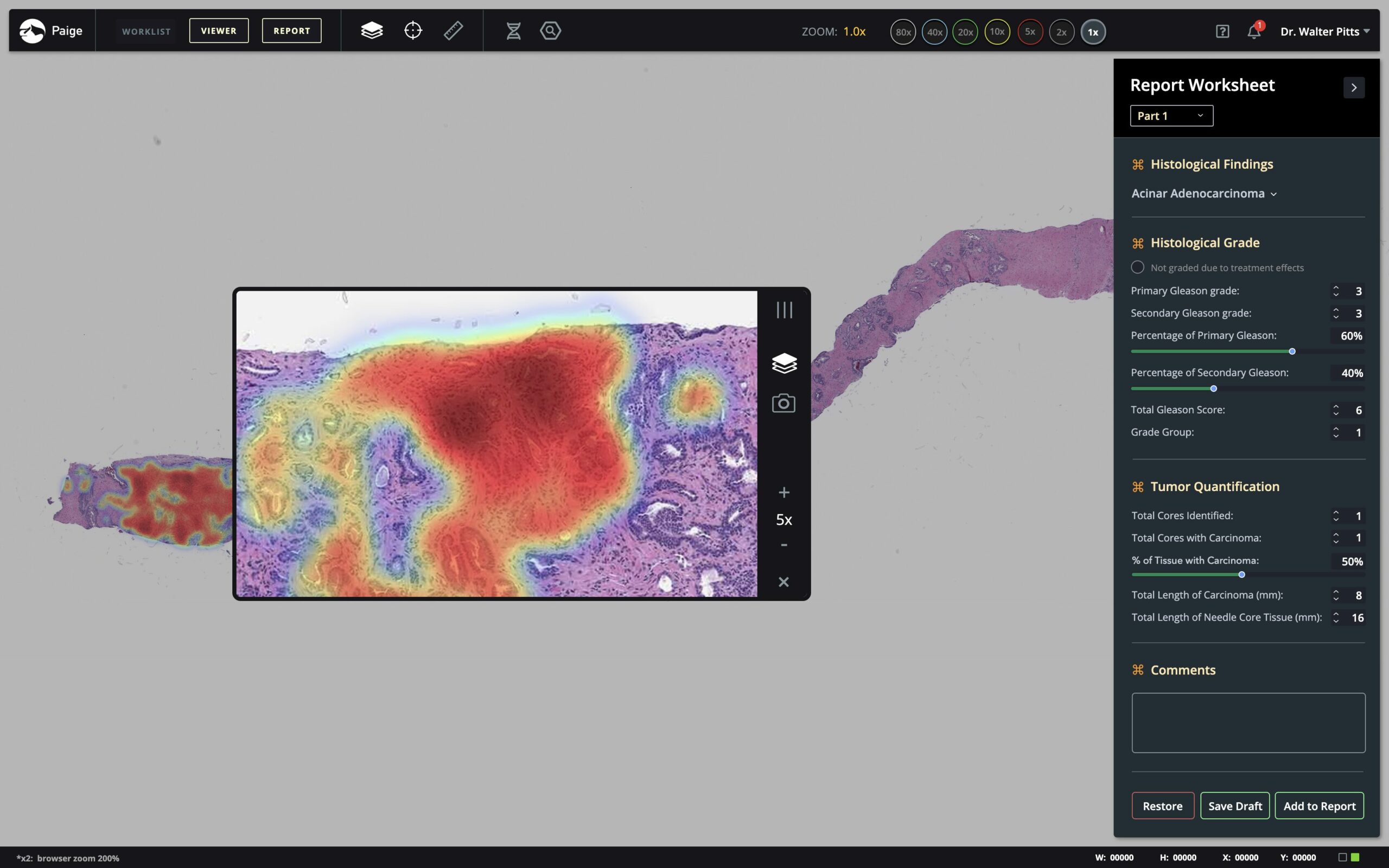
The platform we've developed represents a groundbreaking advancement in the computational neuroscience domain. It enables rapid diagnosis and the generation of clinical reports, catering to both clinical trial requirements and diagnostic needs.
DEMO VIDEO OF PLATFORM EXPERIENCE
In the video below, you'll find an overview of some of the primary use cases and interactions that comprised of the new digital workflow for identifying and diagnosing cancer cells in biopsy tissue.
Selected Works